A SOAP Narrative for Wilderness First Aid
When definitive care is an hour away or more, you are in the wilderness.
A week ago while teaching a Wilderness First Aid class to new kayak guides an old experience of mine popped back into my memory. Memories are fluid; sometimes details are a little fuzzy. That is why I journal, keep a logbook, and detailed FLOAT and SOAP notes. The memory presented an opportunity to share a learning experience with the students. And like them I want to take you on a memory journey on one of those Florida afternoons that guides dream about.
Most Wilderness First Aid students associate hypothermia with snow covered mountains, icy rivers, or late autumn backpacking trips. Very few imagine diagnosing hypothermia during a sunny July kayak expedition along Florida’s Gulf Coast.
That assumption can be dangerous.
This case occurred more than twenty years ago while Sean and I were guiding a full day sea kayaking expedition from Fort De Soto Park to Egmont Key National Wildlife Refuge. It remains one of the most valuable teaching experiences of my career because it reminds us that wilderness medicine is rarely about one dramatic event. More often, it is the result of several small decisions quietly stacking together until they become an emergency.
🌊 The Morning Crossing
Our group consisted of fifteen guests.
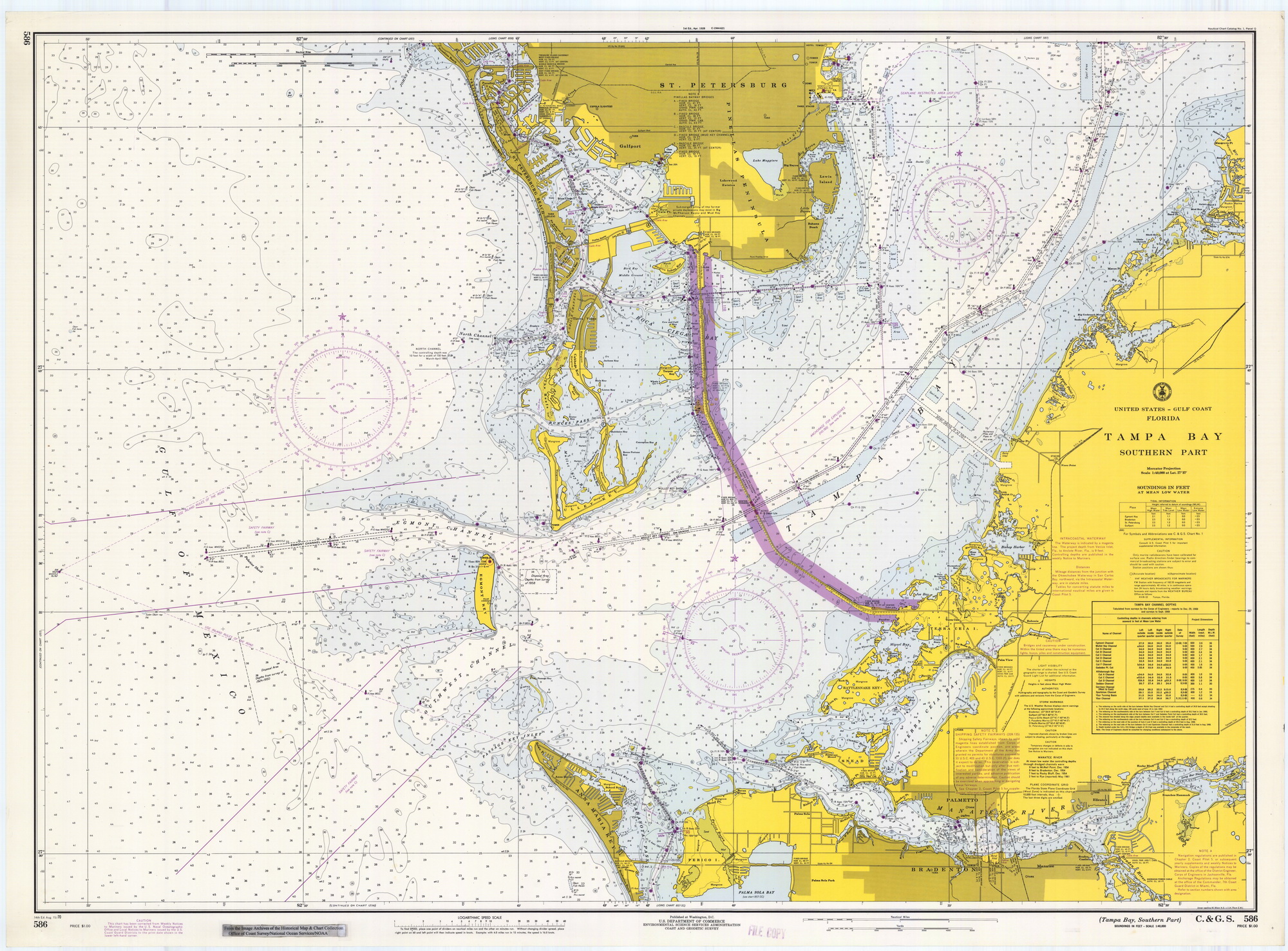
The plan was straightforward. Paddle the three miles of open water from Fort De Soto Park to Egmont Key National Wildlife Refuge, spend several hours exploring the island, enjoy lunch together, practice rescue skills, and return during the afternoon.
The route crosses Boca Ciega Bay and the Egmont Channel, an area with very little shoreline protection. Wind and waves can build quickly, and there is frequent recreational and commercial boat traffic. Under normal conditions, most paddlers average twenty to thirty minutes per mile.
Fort De Soto Park opened that Sunday morning at 7:00 a.m. Guests arrived around 8:00 a.m. to complete their waivers, perform a gear check, and participate in our FLOAT Plan discussion.
As always, we reviewed:
- The day’s route and weather forecast.
- Hydration and nutrition.
- Communication signals.
- Rescue procedures.
- Medical conditions that might affect the trip.
Guests openly discussed knee replacements, hearing difficulties, and bee sting allergies.
No one mentioned diabetes or blood sugar concerns.
We launched at 8:30 a.m.
The morning could not have been more beautiful. Temperatures hovered around 78°F with light winds around six to nine miles per hour and gentle swells less than a foot high. The crossing was comfortable, and everyone arrived at Egmont smiling.
We explored the island, prepared lunch together, and spent time practicing rescue and recovery techniques before beginning our afternoon return.
☀️ A Series of Small Problems
As guides, Sean and I spend much of our day quietly observing people. Long before someone asks for help, their body language, paddle stroke, conversation, and habits often tell the story. That afternoon, however, the clues were so subtle that even they did not immediately stand out.
One of our guests, a gentleman in his fifties, casually mentioned over lunch that he had forgotten to put on sunscreen before we launched from Fort De Soto that morning. By then, his shoulders had taken on the unmistakable pink glow of a mild Florida sunburn. He was also wearing a cotton T shirt beneath his personal flotation device, something we would politely discourage today but that seemed unremarkable at the time. After all, it was July. The afternoon temperature climbed to nearly eighty nine degrees, and no one was thinking about getting cold.
The Gulf reminded us that comfort can change with surprising speed.
Dark clouds drifted overhead, softening the relentless Florida sunshine that had baked us all morning. Almost simultaneously, the afternoon sea breeze freshened to around eight knots. Everyone welcomed the cooler air. After hours beneath the summer sun, it felt refreshing. Our guest thought so too. To cool his sunburned shoulders, he repeatedly practiced his c-to-c kayak rolls. The cool seawater soaked his cotton shirt. He was completely soaked to the bone beneath his life jacket. That cool water brought temporary relief to his sunburn. And with every soaking his clothing became an efficient conductor of heat away from his body.
What Sean and I could not see were the other pieces quietly falling into place. Earlier during lunch he had eaten very little despite the energy demands of the day. At every scheduled hydration stop we encouraged everyone to drink, but he consistently took only a few sips before insisting he was fine. Like many experienced outdoorsmen, he believed he knew his own limits. Only later would we learn that he was prediabetic, information he had chosen not to share during registration or our morning FLOAT Plan discussion because he simply did not think it mattered.
As guides we have to avoid the Five Traps to avoid risks: And the guest who would soon need medical aid was getting traped by “Familiarty” & “Expert Halo”. read more on the Five Traps May 10, 2009 link
One by one, each of those decisions seemed insignificant.
- A mild sunburn.
- A soaked cotton shirt.
- Too little food.
- Not enough water.
- Clouds replacing the afternoon sun.
- A strengthening Gulf breeze.
- An undisclosed medical condition.
None of them, standing alone, would have concerned an experienced guide. Together, however, they formed a perfect chain of events. The human body loses heat gradually, almost imperceptibly, until it reaches the point where it can no longer produce warmth as quickly as the environment steals it away. The body’s core temperature only needs to drop three degrees to fall into a temperature related illness. The wilderness has a way of turning small oversights into serious problems, not with one dramatic mistake, but with a dozen quiet ones that patiently stack themselves together until the body finally says, “I’ve had enough.”
👀 Observation Saves the Day
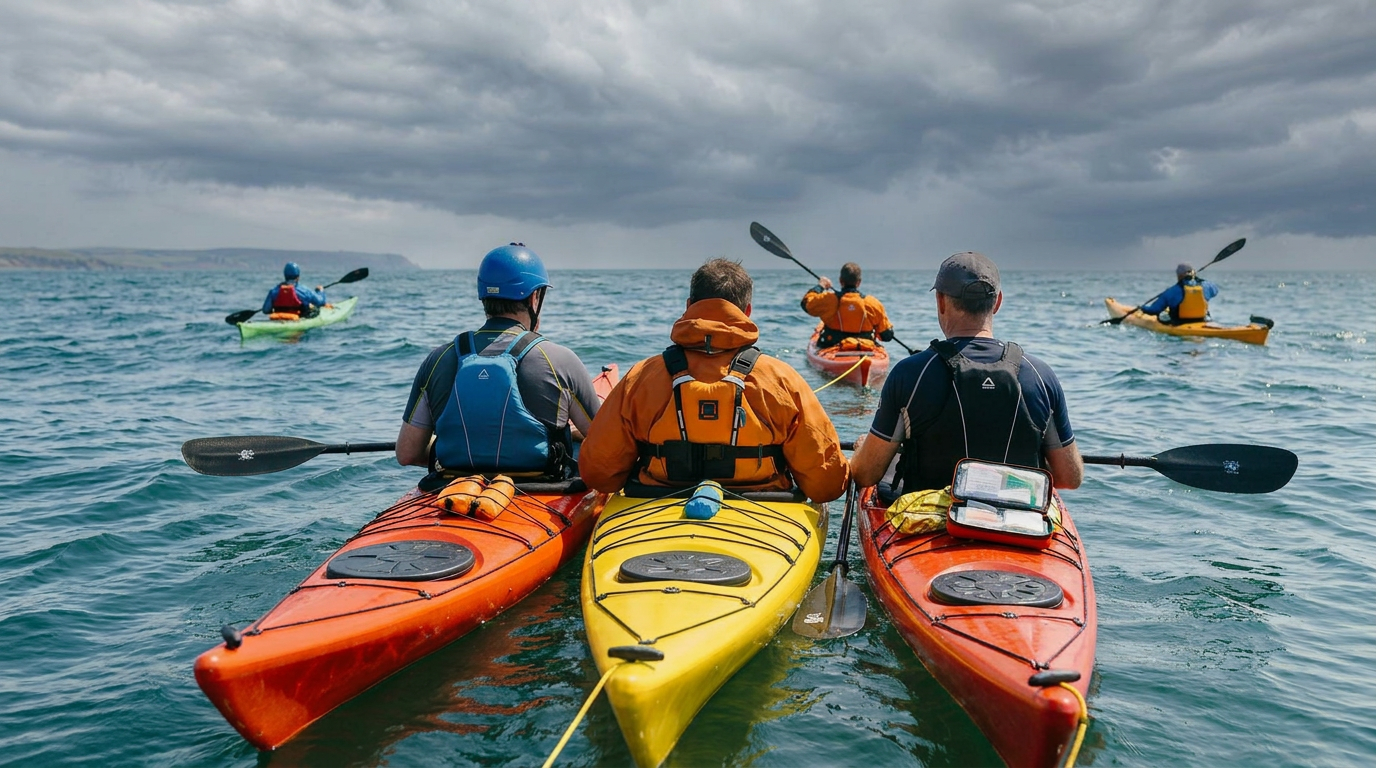
One of the habits Sean and I developed over years of guiding was keeping our guests paddling in a compact pod whenever we crossed open water. To someone watching from shore it might appear overly cautious, but there was purpose behind it. A tight group is easier for powerboats to see, easier to manage if the weather changes, and, perhaps most importantly, it allows a guide to quietly observe everyone without making them feel like they are being watched. Wilderness medicine often begins long before anyone realizes a patient exists.
As we worked our way across Egmont Channel, my eyes drifted from kayak to kayak, checking paddle cadence, posture, conversation, and comfort, just as they had done hundreds of times before. Then one paddler broke the rhythm. The gentleman who had seemed perfectly comfortable all morning was no longer matching the effortless cadence of the group. His strokes had become short and sloppy, as though every paddle stroke required a little more thought than the one before. He slowly drifted behind the others.
I eased my kayak alongside his and struck up a casual conversation. Experienced guides learn that the first patient assessment rarely begins with a stethoscope or blood pressure cuff. It begins with ordinary conversation. His responses came more slowly than they had an hour earlier. Instead of the cheerful stories he had been sharing throughout the trip, he answered with only a word or two. His speech lacked its normal energy. As he turned toward me, another detail caught my eye. His lips had taken on a bluish tint, and he was beginning to mumble his words, one of those classic signs every Wilderness First Aid instructor hopes students will remember long after class is over.
At first glance, most paddlers would have assumed heat exhaustion. After all, we were in Florida. It was the middle of July. The afternoon temperature hovered near ninety degrees, and every outdoor safety conversation that time of year revolves around summer heat illness. Yet the pieces refused to fit together. Heat exhaustion was certainly possible, but something about the whole picture kept tugging at my instincts. Years of guiding have taught me that when the patient’s story and the environment do not agree, it is time to slow down, look closer, and let the patient tell you what is really happening rather than what you expect to find. In wilderness medicine, assumptions are often the first step toward a missed diagnosis.
🚨 Group Management
Once I realized this was no longer simply a tired paddler, training and habit took over. There was no panic and no shouting across the water. “I dropped a calm bomb” I raised my whistle and gave two sharp blasts. Every guest on the trip immediately recognized the signal. Stop. Paddles came to rest as the group instinctively gathered into a tight pod, just as we had practiced during our morning FLOAT Plan briefing. A moment later, I followed with three blasts. Emergency. Before the echoes disappeared across the channel, Sean was already paddling his kayak backwards toward us with smooth stern draws that student yeran to learn. Years of guiding together meant very little had to be said. Each of us knew our role.
Within moments the kayaks were rafted together into a stable platform outside of the channel. While Sean focused on the patient and I managed the assessment, the rest of the group remained calm, secure, and together despite the wind, waves, and a safe distance from passing boat traffic. That scene has stayed with me for more than twenty years because it reinforced something I have taught ever since. Wilderness medicine does not begin with bandages, medications, or even a patient assessment. It begins with leadership. A well led group creates the time and space to practice good medicine, and on open water, that can make all the difference between a manageable incident and a true emergency.
🩺 Thinking Like a Wilderness First Aid Provider
One of the greatest lessons Wilderness First Aid teaches is that patients rarely read the textbook. They do not arrive with a single diagnosis neatly wrapped in a bow. Instead, they present a collection of clues, and it is our responsibility to slow down, observe carefully, and let those clues tell the story.
As Sean and I continued our assessment, we quietly worked through the puzzle together. The patient’s soaked cotton shirt had become an efficient conductor of heat loss as the afternoon breeze swept across the channel. His sunburn had already stressed his body’s ability to regulate temperature. He had eaten very little during lunch despite hours of paddling, and although we had encouraged everyone to drink at every scheduled break, he had taken only a few sips throughout the day. His lips were blue. His speech had slowed to a mumble. His paddle stroke had lost its rhythm, and his coordination was beginning to fail.
Everything we were seeing pointed toward mild hypothermia.
Then another piece of the puzzle appeared.
As we questioned him further, he casually mentioned that he was prediabetic, information he had never shared during registration or our morning FLOAT Plan discussion because he simply did not think it mattered. Suddenly, another possibility demanded our attention. His poor food intake, combined with his altered mental status and deteriorating coordination, raised the possibility that mild hypoglycemia might also be contributing to what we were seeing.
In wilderness medicine, this is where experience begins to replace assumptions. Patients are not always suffering from one problem. Heat loss does not prevent low blood sugar, and dehydration does not exclude hypothermia. Several conditions can develop simultaneously, each making the others more difficult to recognize. Rather than chasing a perfect diagnosis from the middle of an open water crossing, Sean and I focused on recognizing the pattern before us. We addressed the immediate threats with treatments that were safe, appropriate, and likely to benefit the patient regardless of which condition proved to be the primary culprit.
That is the difference between practicing medicine in a clinic and practicing medicine in the wilderness. In the backcountry, certainty is a luxury. Sound judgment, careful observation, and thoughtful decision making are the tools that carry patients safely home.
🧥 Treatment on the Water
Once we had completed our assessment, it was time to put our plan into action. Wilderness medicine rewards calm, deliberate decisions, and years of guiding together had taught Sean and me how to work almost without speaking. Every piece of gear aboard our kayaks had a purpose beyond simply making a paddling trip more comfortable. On that afternoon, it became medical equipment.
From the emergency dry bag, I pulled out an oversized synthetic shirt, a full zip fleece jacket, and one piece of gear I have never regretted carrying, a Kokatat Storm Cag. Most paddlers think of the Storm Cag as emergency paddling clothing. That day it proved to be one of the most valuable hypothermia treatment tools we owned.
Working together, we carefully helped our patient remove his soaked cotton shirt. As every paddler eventually learns, cotton and cold water make poor companions. The moment the wet shirt came off, we replaced it with the dry synthetic layer to begin moving moisture away from his skin. The fleece jacket followed, restoring insulation that his body desperately needed. After securing his personal flotation device once again, we pulled the oversized Storm Cag over everything. Within moments, the waterproof shell was trapping warm air around his body while shielding him from the cooling Gulf breeze that had quietly become our enemy.
While I focused on keeping him warm, Sean reached into the day hatch of his kayak and retrieved our first aid kit. Because we suspected mild hypoglycemia might be contributing to his altered mental status, he gave the patient a glucose tablet, providing a fast acting source of carbohydrates that could safely begin raising his blood sugar. It was a simple intervention with very little downside and the potential for significant benefit. One of the principles we teach in Wilderness First Aid is to treat the problems you can safely treat while continuing to reassess the patient. We did not need absolute certainty to make good decisions.
Within several minutes we began to notice small but encouraging changes. His speech became stronger. His thinking became clearer. The anxious look in his eyes softened. Although he was improving, our work was not finished. We clipped in for a contact tow, allowing him to conserve energy while we continued across the remaining ninety minutes of open water back toward Fort De Soto. As we paddled, Sean and I never stopped observing him. Every few minutes we checked his speech, coordination, skin color, mental status, and overall comfort. In wilderness medicine, treatment is rarely a single event. It is a continuous cycle of assessment, intervention, and reassessment until the patient reaches definitive care or safely returns home.
That afternoon reinforced another lesson I have carried with me throughout my guiding career. The best piece of rescue equipment is not the newest gadget or the most expensive first aid kit. It is a guide who has practiced enough that calm leadership, thoughtful assessment, and decisive action become second nature when someone else’s day suddenly takes an unexpected turn.
🚣 The Long Paddle Back to Fort Desoto
Our work was not over. We still had nearly ninety minutes of open water between us and the sandy beach at Fort De Soto, and wilderness medicine has a way of reminding you that improvement is never an excuse to become complacent. As Sean maintained the contact tow, I stayed close enough to continue talking with our patient while quietly watching for even the smallest changes. Every few minutes I asked another simple question, not because I needed conversation, but because conversation is one of the best assessment tools a guide possesses. Was he thinking clearly? Was his speech improving? Did his answers make sense? Could he maintain his paddle rhythm?
Fortunately, the picture slowly began to change.
The blue tint faded from his lips. His words became stronger and more deliberate. The confused look that had concerned us only minutes before gave way to the familiar smile we had seen throughout the morning. As his body gradually warmed and the glucose tablet began doing its work, his paddle strokes became smoother and more coordinated. Little by little, the patient we had watched slipping toward hypothermia returned to us.
Even so, Sean and I resisted the temptation to declare victory too early. One of the first lessons I teach Wilderness First Aid students is that patients deserve continuous reassessment, not assumptions. Improvement is encouraging, but it is not the end of the assessment. Throughout the remainder of the crossing we continued to monitor his mental status, skin color, coordination, speech, and overall comfort, fully prepared to stop again if his condition changed.
When our kayaks finally slid onto the sand at Fort De Soto Beach, he stepped out under his own power, smiling and talking comfortably with the rest of the group. It would have been easy to pack away the gear and move on, but some of the most important teaching moments happen after the incident is over. As we debriefed the day, he admitted that he had underestimated the importance of eating a proper lunch, staying well hydrated, and disclosing his prediabetes during our morning FLOAT Plan discussion. Like many experienced outdoorsmen, he believed those details were too minor to mention.
He was understandably embarrassed, but there was never any value in assigning blame. The wilderness is an honest teacher. It does not embarrass us to make us feel small. It humbles us so we become wiser. Together we talked through the chain of small decisions that had quietly built into a genuine medical emergency. By the end of the conversation, every guest understood that hypothermia does not require snow, mountains, or winter. Sometimes all it takes is a Florida summer afternoon, a wet cotton shirt, a missed meal, a little dehydration, and a guide who notices that one paddler is no longer moving quite like everyone else.
That lesson has stayed with me for more than two decades, and every time I teach Wilderness First Aid, I hope it stays with my students as well. The wilderness rarely creates emergencies all at once. It builds them one overlooked detail at a time.
📋 SOAP Summary
S | Subjective
- Patient complained of feeling unusually cold despite warm summer conditions.
- Reported fatigue and decreased energy.
- Later admitted to eating very little during lunch.
- History of prediabetes was disclosed only after symptoms developed.
O | Objective
- Air temperature approximately 89°F.
- Wet cotton shirt beneath PFD.
- Mild sunburn to shoulders.
- Poor hydration.
- Blue lips.
- Slurred speech.
- Deteriorating paddle coordination.
- Decreased mental sharpness.
- Wind exposure during an extended open water crossing.
A | Assessment
Primary assessment suggested mild hypothermia resulting from evaporative heat loss, wet cotton clothing, wind exposure, inadequate caloric intake, dehydration, fatigue, and prolonged environmental exposure.
Mild hypoglycemia was also suspected because of the patient’s prediabetes, limited food intake, altered mental status, and declining coordination.
Differential diagnoses also included heat exhaustion and other metabolic causes of altered mental status.
P | Plan
- Stop the group and establish scene safety.
- Remove wet cotton clothing.
- Dress the patient in dry synthetic insulation.
- Add fleece insulation.
- Cover the patient with a Kokatat Storm Cag to eliminate wind exposure.
- Administer an oral glucose tablet to address suspected mild hypoglycemia.
- Establish a contact tow.
- Continue evacuation toward shore.
- Frequently reassess mental status, coordination, and overall condition.
🎓 Teaching Points
- Hypothermia can occur in Florida during the middle of summer.
- Cotton remains one of the most dangerous clothing choices on the water because it holds moisture against the skin.
- Sunburn, dehydration, poor nutrition, and wind all reduce the body’s ability to regulate temperature.
- Patients may experience more than one medical problem simultaneously.
- Wilderness medicine is about recognizing patterns, not chasing perfect diagnoses.
- Group management and early recognition are often more important than advanced medical equipment.
- A thorough medical history during your FLOAT Plan only works when participants answer honestly.
🌿 Field Wisdom
Over the years, students have often asked me what actually caused this patient’s hypothermia. They expect me to point to one decisive mistake, one dramatic event, or one overlooked piece of equipment. The truth is both simpler and far more important. It was not the strengthening Gulf breeze. It was not the wet cotton shirt. It was not the sunburn, the missed lunch, the dehydration, or even the undisclosed prediabetes.
It was every one of those factors working quietly together until the patient’s body could no longer keep pace with the demands placed upon it. That is how the wilderness usually works. Rarely does it overwhelm us with one catastrophic event. Instead, it patiently gathers a series of small, seemingly harmless decisions until they become a crisis.
The finest guides and Wilderness First Responders learn to recognize those patterns while they are still whispers rather than alarms. They understand that patient assessment begins long before a bandage is opened or a treatment is given. It begins with paying attention, noticing what has changed, and having the humility to trust experience when something simply does not look right.
More than twenty years have passed since that summer crossing to Egmont Key, yet every time someone tells me, “It’s too hot in Florida for hypothermia,” I think back to a paddler with blue lips crossing Tampa Bay on an eighty nine degree afternoon. The wilderness has never cared what the calendar says. It only asks one question of every guide: Were you paying attention before the emergency announced itself?
When definitive care is an hour away or more, you are in the wilderness. Learn to see the pattern before the emergency reveals itself.

