
Preparedness and safety review: October 25, 2026. This is household planning guidance. Follow current local emergency instructions, product labels, and individual medical advice.
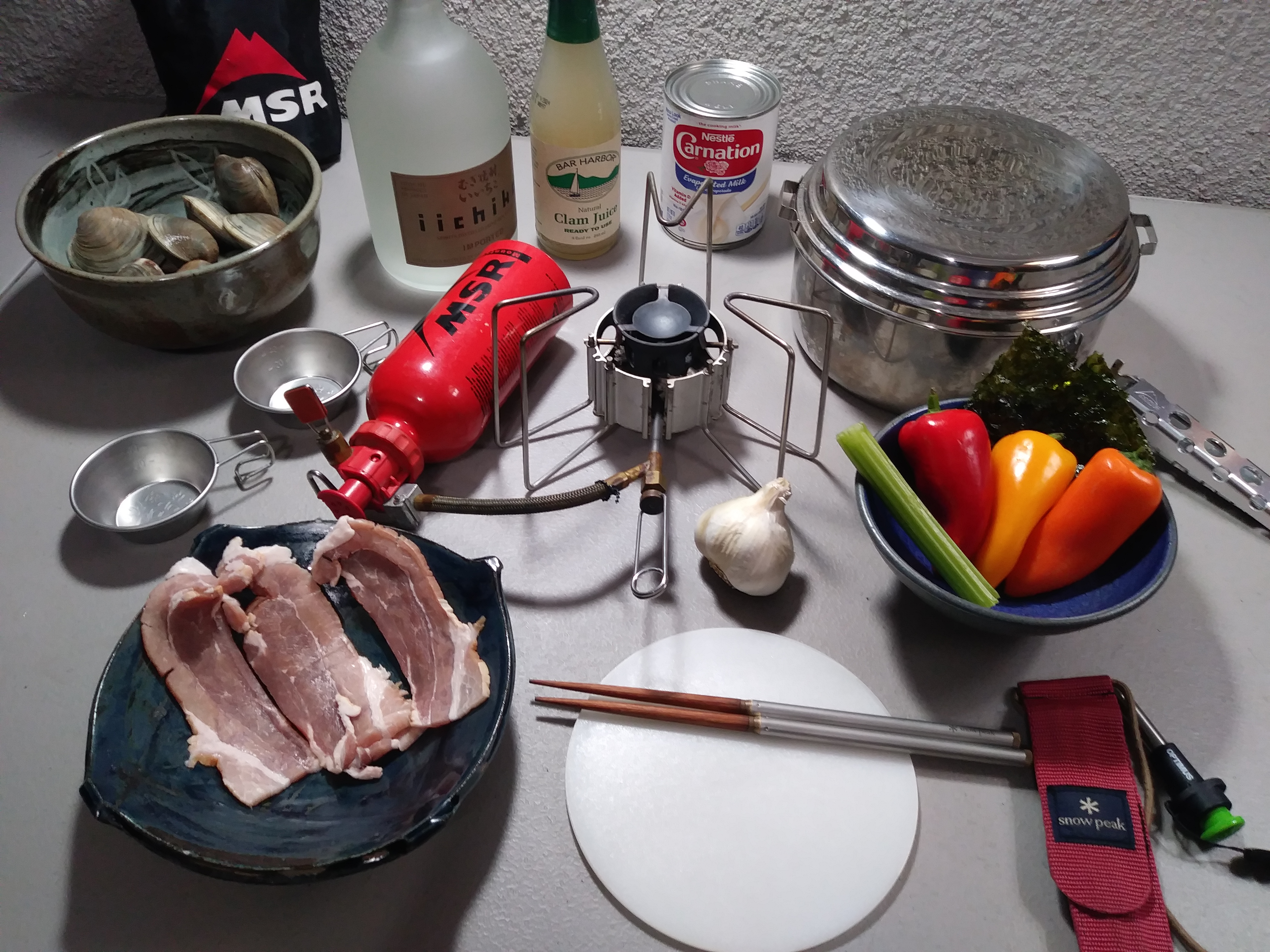
My MSR Dragonfly has earned its place in the cooking kit over many years. I purchased it during the 1990s, and MSR later repaired it after it was accidentally run over. That history matters to me. So does describing its limits accurately.
Useful control for real cooking
The Dragonfly’s separate controls allow a cook to manage the flame for boiling and simmering. Match the pot size, weight, setup, and fuel to the exact manufacturer instructions. Wide supports do not make every cast iron pan or oversized pot safe. Use level, stable ground and keep children, loose clothing, and combustibles clear.

Fuel flexibility requires the correct setup
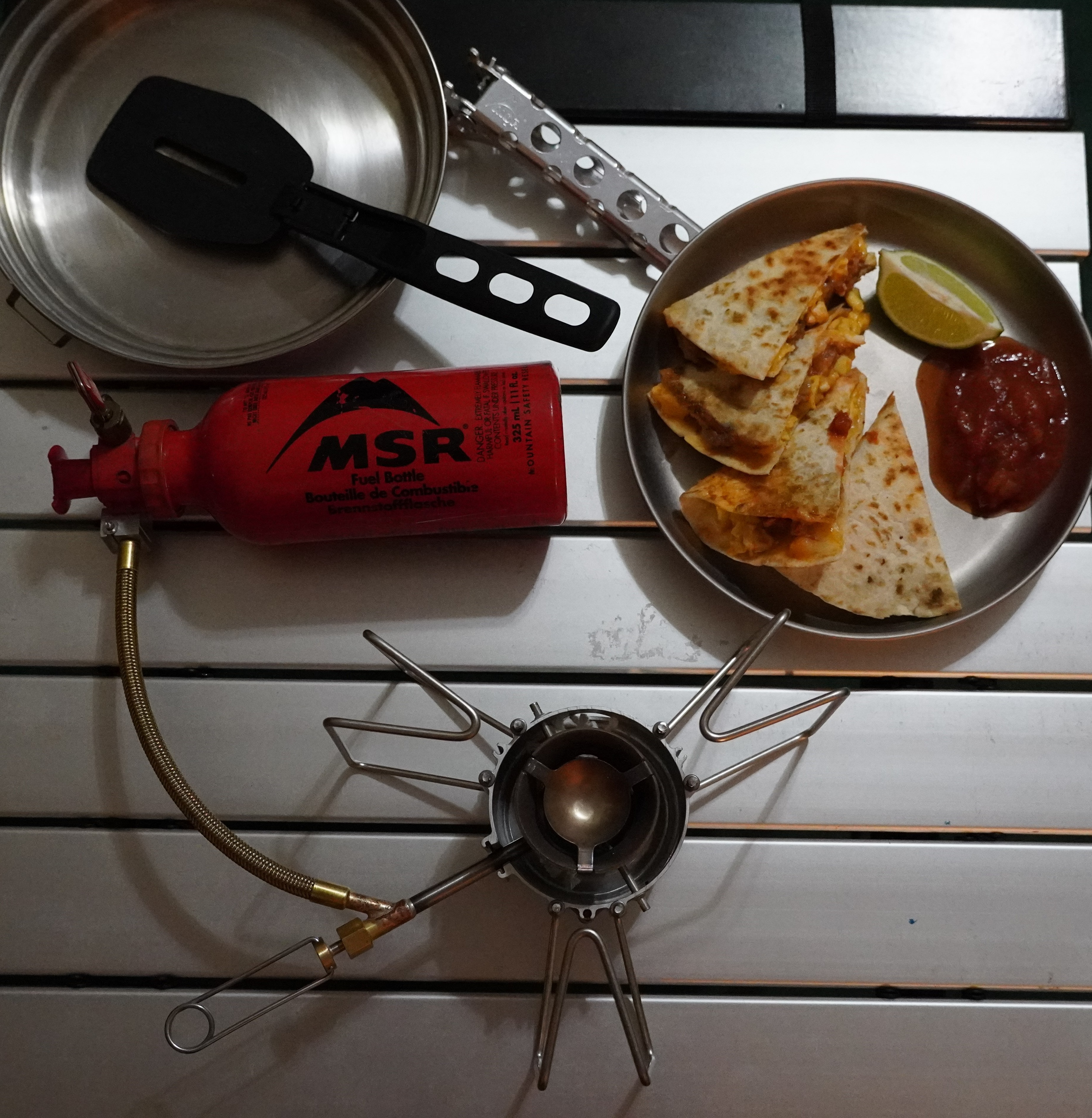
Use only fuels approved for your stove model and the correct installed jet. Do not burn whatever fuel happens to be available. MSR’s stove maintenance guidance describes the Dragonfly’s different jets. Read the current manual for approved fuel, assembly, priming, shutdown, maintenance, and fuel bottle handling before use. Do not change components or service the stove while hot, pressurized, or burning.
A storm pantry still needs meals without a stove
The Dragonfly is an outdoor cooking option when weather, location, and regulations permit. Keep several full days of food requiring neither cooking nor refrigeration. Count water and measure fuel against the actual menu. See the storm kitchen recipes and the seven day pantry menu.
Use battery lighting. Run portable generators outdoors at least 20 feet from doors, windows, and vents, with exhaust directed away from occupied buildings. Never operate them in homes, garages, enclosed porches, or other enclosed spaces, even with openings raised. A CO alarm does not make an unsafe location safe. Follow CDC outage guidance and the manufacturer’s instructions. If an apartment has no compliant operating location, arrange battery power or relocation instead.
Use portable camp stoves, charcoal grills, alcohol burners, solid fuel stoves, and fuel lanterns outdoors according to their manuals. Never use them in a home, tent, vehicle, or enclosed shelter, and never use cooking equipment to heat a room. Wait for safe outdoor conditions. A meal that needs no flame belongs in every storm pantry.
Boiling has limits
Store at least one gallon of safe water per person per day as a planning baseline. Seven days for three people means 21 gallons. Add water for pets and additional needs such as heat, illness, food preparation, and washing. Do not assume the baseline covers every task. Use food grade containers, label storage dates, and follow CDC storage and rotation guidance. Do not store the entire reserve where flooding could contaminate it.
A backpacking filter is not a universal storm water treatment system. Ordinary filters do not desalinate seawater and may not remove viruses. Boiling, disinfecting, and ordinary filtration cannot make water contaminated with fuel or toxic chemicals safe. Use another safe source. Follow CDC emergency water guidance and the exact local advisory; a boil water notice and a do not use notice require different actions.
Boiling drinking water for microbial safety is not the same as sterilizing medical equipment. Do not substitute a cook pot for proper medical supplies or a validated sterilization process.
Care before confidence
Inspect the stove and fuel system as the manual directs. Replace damaged components with approved parts. Stop using a stove that leaks or behaves abnormally. Follow the manufacturer’s windscreen clearances and do not improvise an enclosure to escape weather.
The pleasure of a well cooked supper is worth preserving. The equipment earns its keep by helping the cook do that safely, one sensible decision at a time.
Keep learning: the Florida preparedness reading guide
Start with the household plan, then work through the practical skills. These companion articles connect FloridaOATS and Liquid Rhythm Kayaking.
- Household planning, evacuation, sanitation, and lessons from COVID
- Seven day quantities and a practical household equipment check
- Packing for evacuation and vehicle travel
- First aid supplies, prescriptions, and household illness
- Weather information, lighting, and backup power
- Safe meals when the lights go out
- A seven day pantry menu and food storage
- First aid when help is delayed
- Assessing hazards after the storm
- The limits of flame lanterns
- Fire blankets, extinguishers, and escape
- The original Hurricane Calm plan, revised
- The responsibility behind staying calm
- The FloridaOATS hurricane archive introduction


7 Comments