
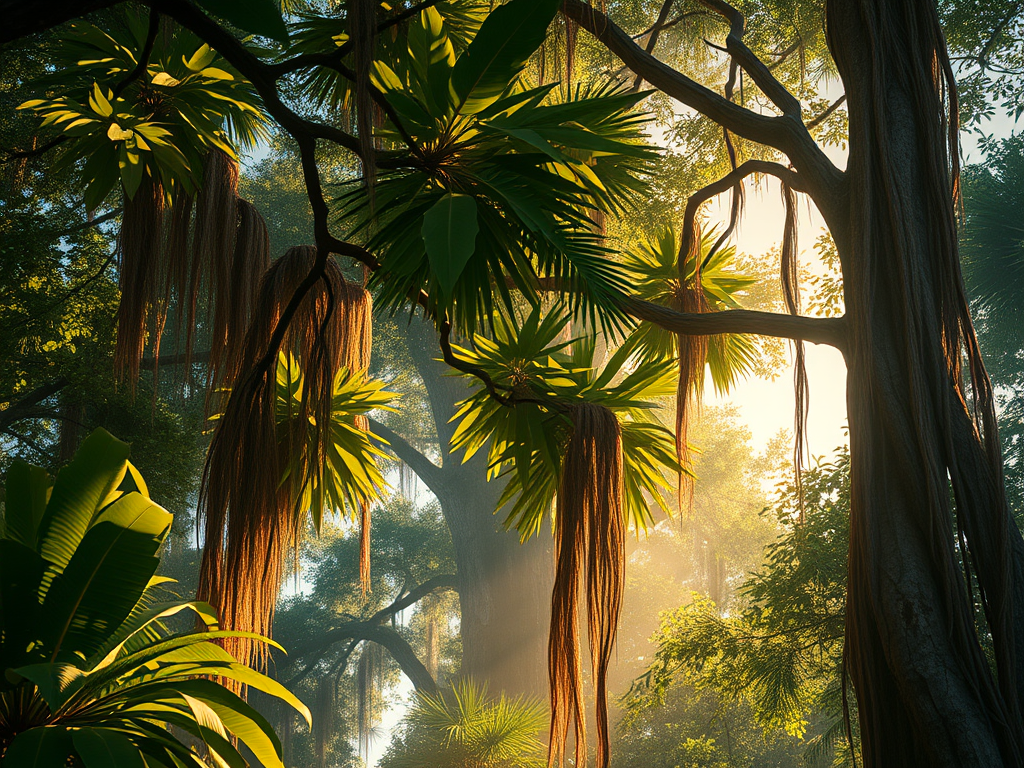
🍃The Season of Shadows
October in Florida is a strange month. The days are still hot enough to sweat through a shirt, but the nights begin to whisper of coolness. Mosquitoes relent just enough that we dare longer evenings by the fire. And all the while, the moon rides high, pulling the tide and stirring stories in the palmetto scrub.
It is also a month of harvest. While New Englanders rake leaves and gather pumpkins, we Floridians slip into hammocks and swamps to collect what the land offers: yaupon leaves for tea, cabbage palm hearts for fresh greens, and the nuts and roots that hide like buried treasure. To walk and forage here is to feel both blessed and watched, for this is a land that remembers.
And since it is October—the month of jack-o’-lanterns and campfire tales—I will share not only the practical but the peculiar. Every plant has its lesson, but some come with stories that rustle like Spanish moss in the wind.
Foraging with Respect
Before the spooky stories, let’s set the ground rules. Foraging in Florida—or anywhere—carries responsibility.
- Harvest ethically. Take only what you need. Never strip a stand of yaupon or cut down a cabbage palm just for curiosity. The land provides, but it is not infinite.
- Know your ground. Many wild edibles grow on public lands where harvest is restricted. Respect laws and private property.
- Honor tradition. Indigenous peoples and old settlers lived by these foods long before us. When we harvest, we join a lineage, not a novelty act.
- Leave no trace. Cut clean, tread lightly, and leave the place looking as if you had only stopped to listen.
When you gather with respect, you will find the plants give more than sustenance—they give story.
🍵Yaupon: The Haunted Tea
The yaupon holly, Ilex vomitoria, is one of Florida’s best-kept secrets. It is the only plant in North America with native caffeine. Indigenous peoples brewed it in ceremony, traders boiled it for a bitter stimulant, and settlers often leaned on it when coffee shipments failed.
The name vomitoria has given it a bad reputation—it was not because the plant itself made people ill, but because it was sometimes used in ritual purification ceremonies where the goal was intentional vomiting. Misunderstood, like many things in this swamp.
Now here’s the spooky tale. There are foragers in north Florida who swear that harvesting yaupon under a waning moon invites whispers. They say the plant remembers its old rites. I once cut a handful of leaves on such a night, and the wind moved through the grove with a hiss like a crowd behind me. My kettle rattled later on the stove, though no flame had touched it. Superstition? Maybe. But I recommend you harvest yaupon in daylight, and with a word of thanks.
Cabbage Palm Shoots: The Heart of the Swamp
The cabbage palm, Sabal palmetto, is Florida’s state tree. Hidden inside its crown is the “swamp cabbage”—the heart, tender and edible, with a taste between artichoke and bamboo shoot.
To harvest it, you must cut the tree, which kills it. This is why respect is paramount. The Seminoles and pioneers took swamp cabbage only in times of celebration or scarcity. It was never casual food.
And here is the ghostly side: old cattlemen in the Big Cypress warned that if you cut a cabbage palm at night, the swamp would answer. Coyotes howled, owls shrieked, and sometimes a black shape was seen moving between the palmettos, silent as a shadow. Some said it was just the panther. Others said it was something older, something that walked when trees fell. To this day, I have never cut swamp cabbage after dark.
Autumn Nuts and Roots: The Hidden Harvest
By October, certain nuts and roots are ready for gathering. Hickory nuts, acorns (leached of tannins), and wild yam roots appear if you know where to look.
But the trick is patience. Many of these foods demand preparation—cracking, leaching, boiling. They are not trail snacks but lessons in endurance. The Timucua and Calusa peoples knew which acorns made bread and which roots cured hunger. Today, few of us remember.
The spooky tale: some foragers claim that when you dig wild yam after midnight, the earth smells not of root but of rot. Dig too greedily, they say, and you may uncover bones instead. Whether human or animal, no one ever says. True or not, I recommend digging roots in sunlight.
🍵Recipe: The Yaupon Tea Ritual
Now, let us brew. This is no ordinary tea, but a ritual of connection.
Ingredients:
- A handful of fresh or dried yaupon leaves (October harvest is perfect)
- Water
- Optional: honey, beautyberry syrup, or a twist of citrus
Gear Needed:
- Preferred stove: MSR Dragonfly (fuel efficient, versatile, storm-tough)
- Kettle: a small, battered enamel or titanium kettle that holds heat steady
- Brewing tool: Cascade Designs MugMate Coffee/Tea Filter (portable, reusable, fits most mugs)
Steps:
- Harvest with respect. Choose young leaves, avoiding berries. Offer thanks aloud or silently.
- Dry roast (optional). In your pan, roast leaves lightly until fragrant. This adds a toasty, nutty flavor.
- Boil water. Fire up the Dragonfly, set kettle on, bring water to a rolling boil.
- Steep. Place yaupon leaves in your MugMate filter, pour hot water over, and steep 5–10 minutes.
- Sip. Drink plain for the traditional flavor—grassy, earthy, a hint of green tea. Add honey or syrup for sweetness.
Field Wisdom: Drink slowly. Yaupon carries caffeine enough to quicken the step, but not so harsh as coffee. Around a campfire, it feels like stitching yourself into Florida’s story.
Stove, Kettle, and MugMate: Why I Trust Them
The MSR Dragonfly is my storm-and-expedition stove of choice because it laughs at wind and simmers like a kitchen range. My kettle is old enamel, chipped but faithful, holding stories in every dent. And the Cascade Designs MugMate is my secret weapon. Light as a feather, tough as nails, it filters both tea and coffee without fuss. Unlike paper filters, it can’t blow away in a storm. It is exactly what you want when the only thing standing between you and the shadows is a hot cup in hand.
Final Thoughts: The Fire and the Shadows
Foraging in Florida in October is not just about filling your belly. It is about joining a story older than us, one written in leaves and roots, whispered in the hammocks, and sometimes carried on a wind that makes the kettle rattle.
Respect the plants, honor the traditions, and cook as though the fire itself is watching. Whether you are paddling through mangroves or waiting out a blackout, a pot of yaupon tea is both sustenance and ceremony. It keeps the body warm, sharpens the mind, and quiets the fear that lingers in the dark.
So, on this October night, gather a handful of leaves. Roast them gently. Set your kettle on the flame. And as you sip, listen. You may just hear the swamp answer back.
 Liquid Rhythm Adventures' Journal