
By Jeff Fabiszewski – Wilderness First Responder, Expedition Planner, Florida Native
When the wind subsides and skies begin to clear, the real challenge starts. Staying informed and prepared post-hurricane means leveraging smart gear, self-reliance, and making careful decisions. Here’s your essential guide—with a critical reminder to help our heroes do their work effectively.
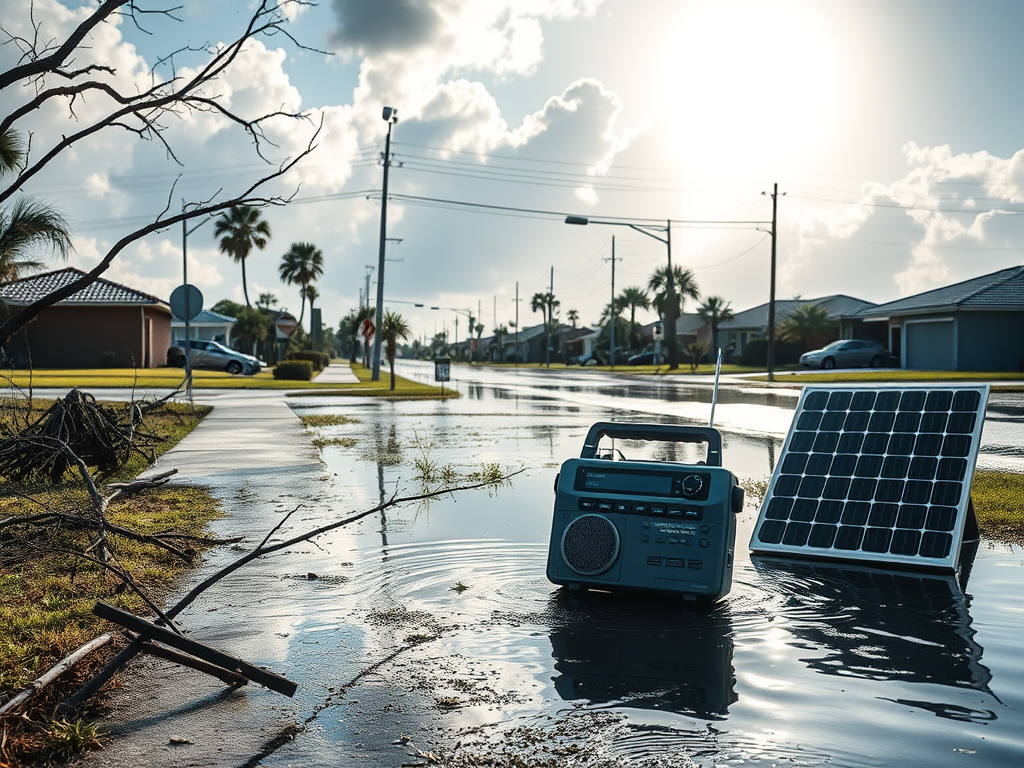
⛔️ Avoid Unnecessary Travel — Let the Pros Save Lives
After the storm, road conditions can be treacherous—with flooding, power lines down, debris, and emergency operations underway. Unneeded travel:
- Interferes with rescue operations, blocking lanes needed for first responders and supply convoys
- Delays aid to the most vulnerable: the injured, isolated, elderly, or those stuck in flooded zones
🚨 Pro Tip: Stay put unless your location is unsafe. Resist the urge to sightsee or drive to check damage. Every unnecessary vehicle delays someone’s rescue or aid delivery.
📻 Stay Informed with a Hand-Crank Weather Radio
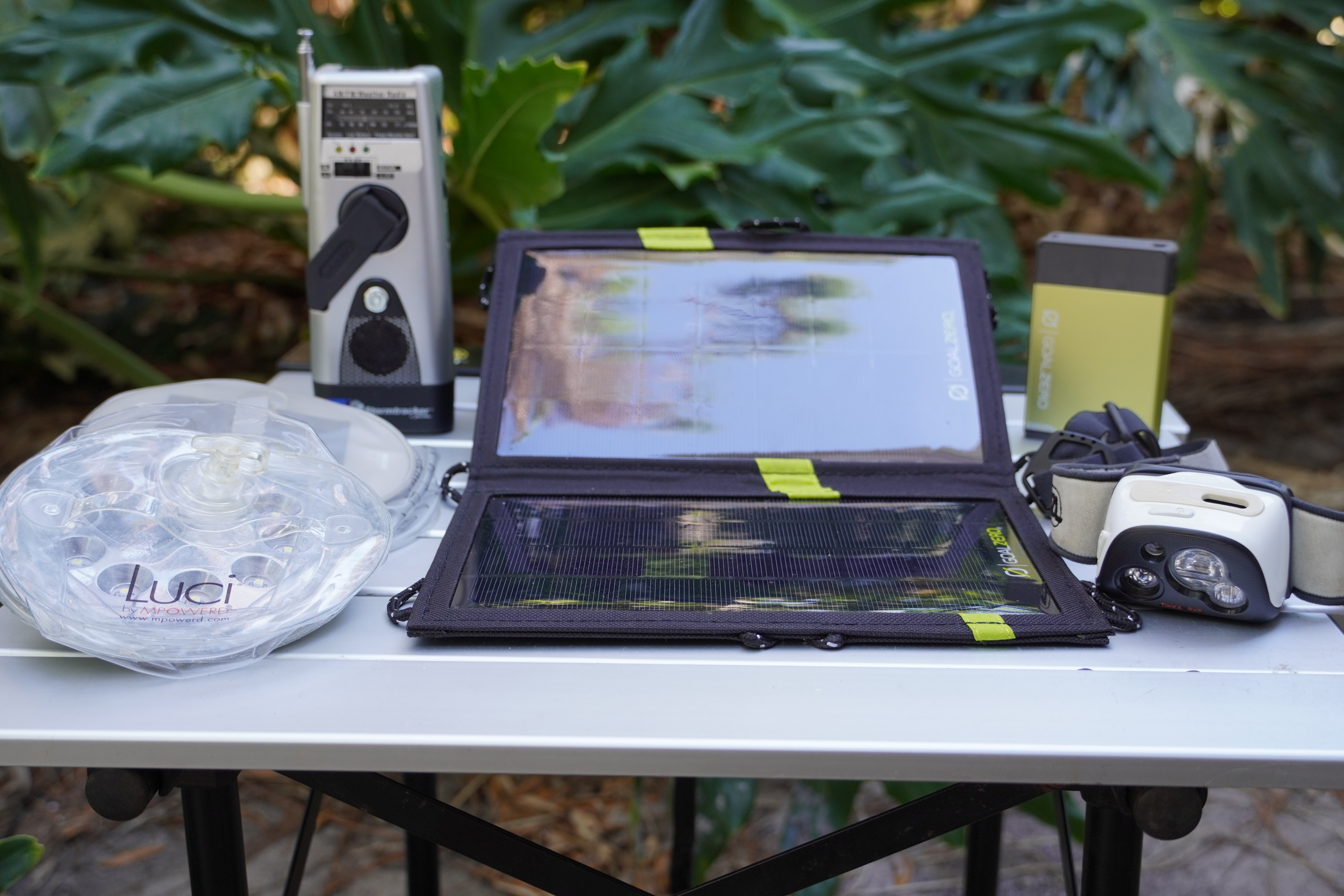
Gear: Emergency Crank Weather Radio
Even without cell service, NOAA and local emergency broadcasts can reach you:
- AM/FM/NOAA reception
- Hand crank + solar charging
- Flashlight and USB output for device charging
🛠️ Pro Tip: After the storm, keep your radio tuned for updates on curfews, boil-water advisories, and road reopenings.
☀️ Recharge With Solar Power
Gear: Goal Zero Nomad solar panel + Power Bank
Grid outages can last for days—stay connected:
- Set panels in direct sunlight; even cloudy conditions recharge slowly
- Store power in the bank for devices, radios, GPS units
🔋 Pro Tip: Sunsets don’t wait—start charging early and top off your bank before dark.
💡 Light Your Night with Luci & Headlamps
Gear:
- Luci Inflatable Solar Lantern by MPOWERD/Biolite Energy
- Rechargeable Headlamp
Soft glow from Luci makes nighttime navigation easy; headlamp keeps your hands free:
🧠 Pro Tip: Hang Luci inside your shelter—unlike hard lights, it won’t dazzle your eyes and lets you move safely.
🌴 Important Aftermath Stats & Context
- In Florida alone during Hurricane Helene (Sept 2024), 34 people lost their lives, over 1.69 million lost power, and more than 1,000 residents needed rescue in the Tampa Bay area floridapolicy.org+2en.wikipedia.org+2vox.com+2.
- Following such storms, as many as 17,000 FEMA personnel and 14,000 DoD staff deploy in the field; during the 2017 season, nearly 9,500 people were rescued by Urban Search & Rescue teams fema.gov.
- The Florida Department of Health supports statewide 600+ emergency missions, deploying mobile field hospitals, strike teams, and over 1,200 EMS resources, assisting hospitals, shelters, and support centers floridahealth.gov.
These numbers reflect massive coordination. Your unnecessary road trip—even a drive down a flooded street—can create dangerous congestion, delay emergency crews, and hinder aid from reaching those in life-threatening conditions.
✅ Post-Hurricane Gear & Mindset Checklist
| Gear & Mindset | Why It Matters |
|---|---|
| Avoid non-essential travel | Keeps roads clear for rescue & supply missions |
| Weather radio | Your safety lifeline—always stay tuned |
| Solar panel + power bank | Renewable power when the grid is out |
| Luci light | Diffuse, solar-powered ambient light |
| Rechargeable headlamp | Hands-free lighting for activities |
| Dry bags or zip-top cases | Protects gear and food from rain/flooding |
🧭 Closing Field Notes
Hurricane prepping isn’t just about bracing for the storm—it’s about empowering you to thrive afterward. The solar gear shown here does more than “look cool”—it keeps you charged, connected, and capable of tough, austere living.
Above all else: stay out of the way of emergency teams. Let them do their job without you blocking the road—and you’ll help ensure everyone gets the help they need, fast.
Stay safe, stay powered, stay mindful.
– Jeff Fabiszewski | @FloridaOATS
Liquid Rhythm Kayaking | Backcountry Educator & Responder
 Liquid Rhythm Adventures' Journal