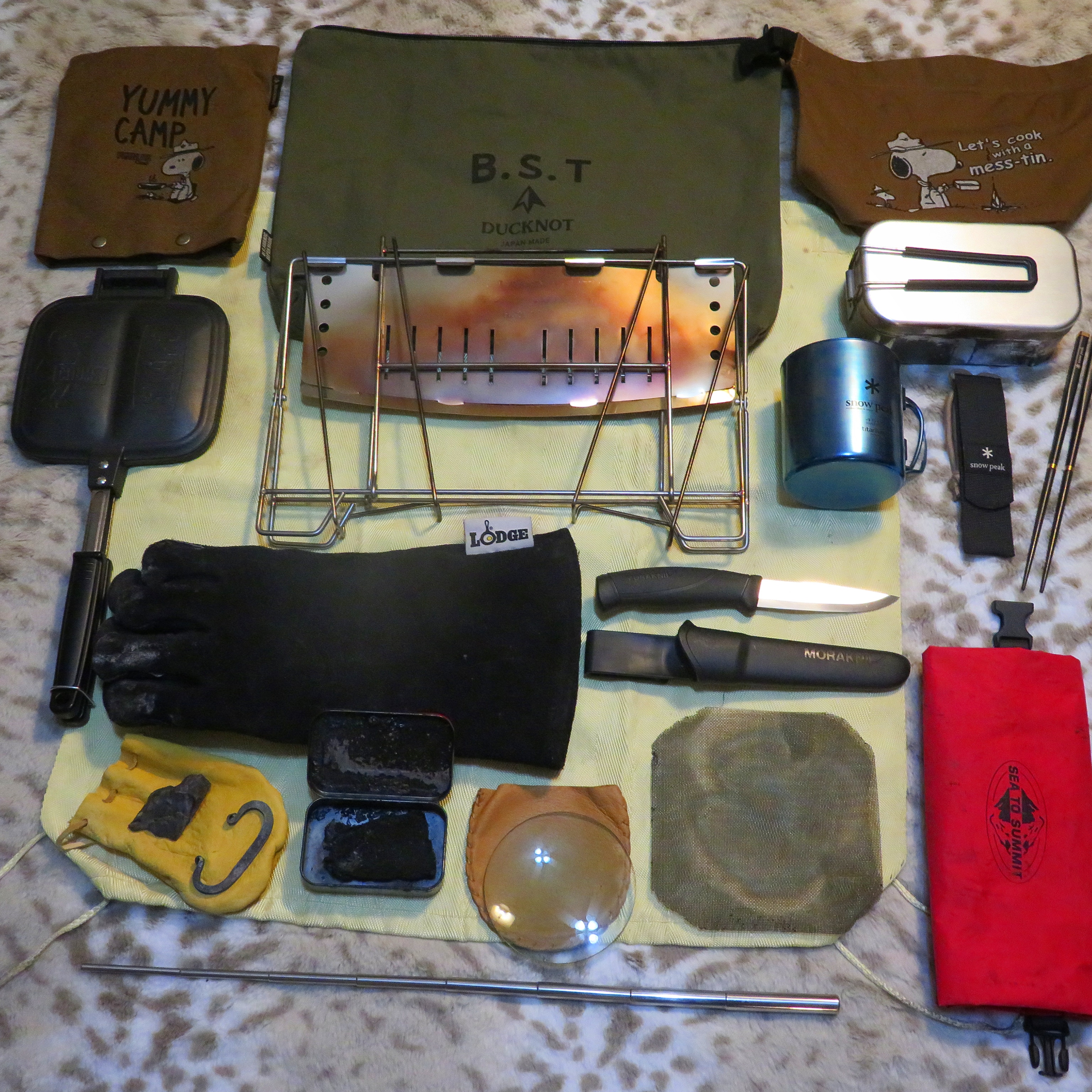
There’s something raw and rewarding about cooking with fire in the wild—no buttons, no beeps, just heat, instinct, and steel. When I teach backcountry cooking or guide a kayak expedition through Florida’s Gulf islands, these tools are my tried-and-true companions. Whether you’re simmering a stew on Caladesi Island or flipping a double-decker grilled cheese with jalapeños under palmettos, here’s the breakdown of gear I actually bring.
🔥 B.S.T. Fire Stand by DUCKNOT Japan
Why I like it: Lightweight but strong, this beautifully engineered stainless fire stand sets the foundation. It packs flat into its own case, but once set up, it cradles coals with surgical precision. Unlike bulky fireboxes, the B.S.T. gives you airflow, foldability, and control. Cooking on this is like tuning an instrument—clean and efficient. Ducknot Amazon.jp link
Jeff’s Tip: Use it with split hardwood or coconut husk charcoal if you want long, even burns for simmering rice or soup.

🍲 Snow Peak Titanium Cup & Wabuki Chopsticks
Why I like it: Ultralight, nearly indestructible, and cools fast for drinking. The titanium cup is perfect for miso soup, coffee, or a morning oatmeal soak. The Wabuki chopsticks screw together with precision and pack down small.
Jeff’s Tip: I use the chopsticks for everything—cooking, eating, even stirring hot coals. They don’t melt, burn, or snap, and they feel like an extension of my hand.

🥘 Trangia Mess Tin (Sweden)
Why I like it: The OG of camp cookware. Durable aluminum, deep enough to cook rice or pasta, and it doubles as a bento box. This is the kind of gear that gets better with age and dents.
Jeff’s Tip: Add Ghee or parchment paper inside to prevent stickage when cooking over coals.

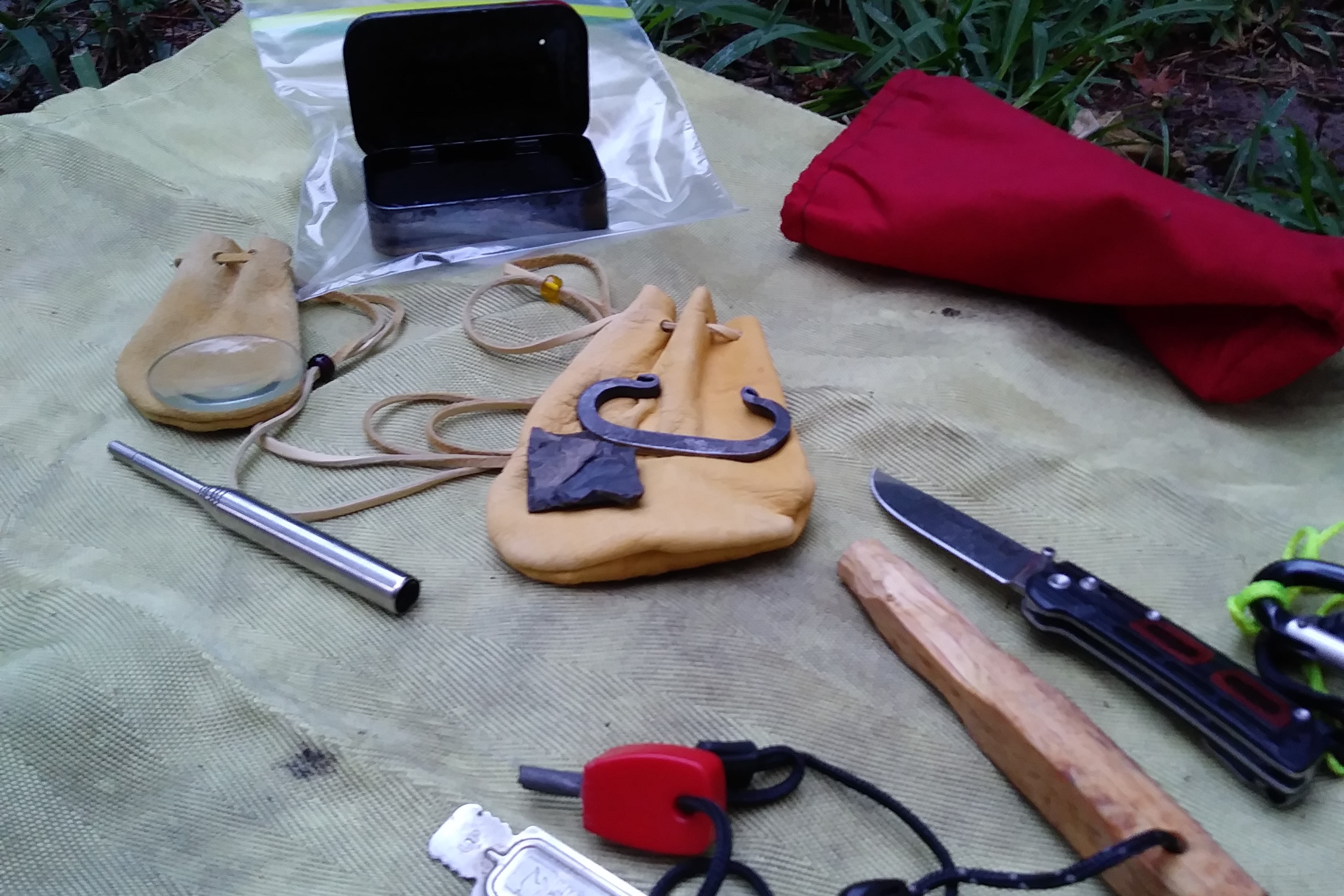
🔥 Fire Starting Tools (Flint, Steel, Charcloth, Magnifier)
Why I like it: Reliability is key. Ferro rods never fail when lighters do. Charcloth lights like magic if prepped right. And the magnifying glass? That’s not just old-school—it’s classic. Great for sunny Florida mornings.
Jeff’s Tip: Use punky wood or natural jute twine as your tinder base. And always carry extra char in a dry tin. I always have those materials inside of a red drybag wit.
🔪 Mora Companion Knife (Sweden)
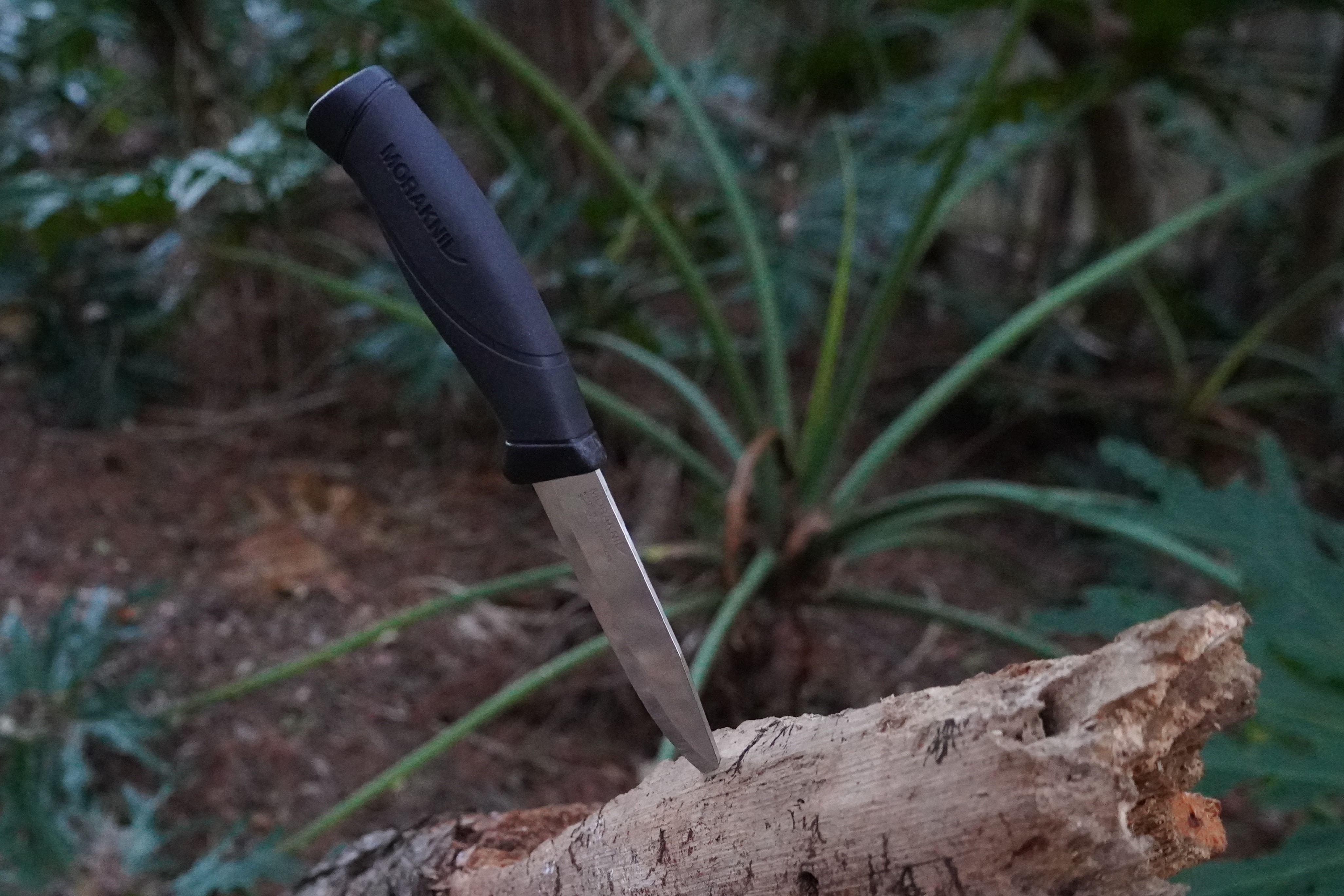
Why I like it: Razor sharp out of the box, easy to maintain, and cheap enough that I don’t cry if I lose it. The Mora is my go-to for everything from slicing onions to whittling tent pegs.
Jeff’s Tip: Keep it sharp and oiled. Use it with your ferro rod for a dependable spark shower every time.
🥪 CHUMS Double Hot Sandwich Maker
Why I like it: Cast aluminum, compact, and capable of producing golden, sealed hot sandwiches like magic. Not just for grilled cheese—this baby does French toast, quesadillas, and even backcountry calzones.
Jeff’s Tip: Use Ghee inside to keep cleanup minimal. Stuff it full and let the edges crisp shut.
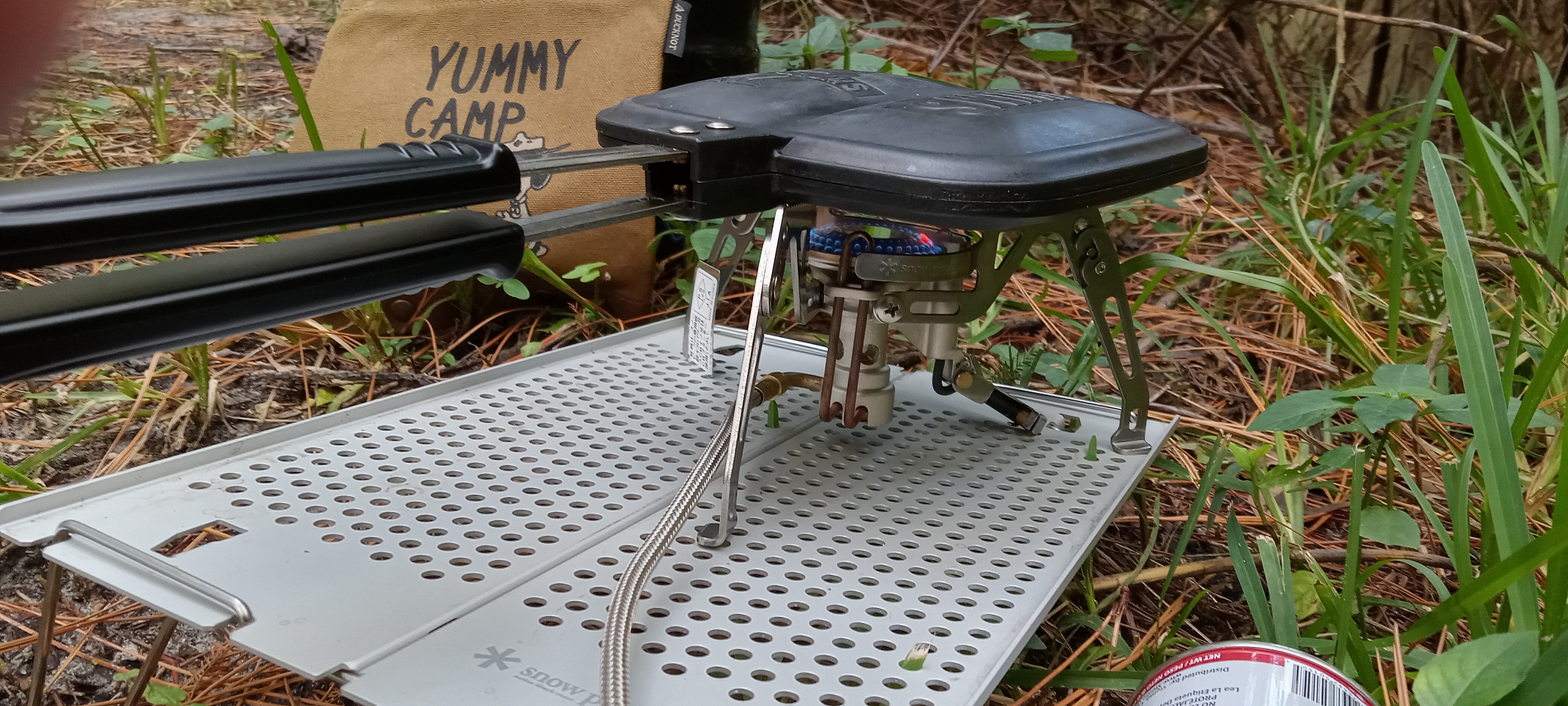
🧤 Lodge Leather Fire Gloves
Why I like them: Cast iron gets HOT. These heavy-duty gloves give you the confidence to move coals, rotate pots, or shift your pan without burns or hesitation.
Jeff’s Tip: Treat them with leather conditioner to keep them from drying out in salty, humid environments.
🌬️ Stainless Fire Tube (Bellows)
Why I like it: This telescoping fire bellow lets you blow oxygen into the heart of your fire without singeing your beard or choking on smoke. It’s one of those tools people laugh at until they try it.
Jeff’s Tip: Use it to revive coals quickly or guide a slow burn into high heat for a fast boil.
🔥 Burner Pad (Heat Diffuser)
Why I like it: Ever burned rice on a fire? This stainless mesh pad sits between your flame and your pot, diffusing direct heat and preventing hot spots.
Jeff’s Tip: I cut it to fit the exact cooking surface, like the sandwich press.
🔥 Fire Starting Tools (Flint, Steel, Charcloth, and Magnifier)
Why I like it: When you’re in the backcountry and your lighter’s broke or your matches are gone, these are the tools that never let me down. Using flint and steel to spark charcloth is one of those timeless skills that connects you to outdoor heritage—and it works even in the swampy air of Florida’s barrier islands. The magnifying glass is a surprising but effective backup that requires zero stress and works as long as you’ve got clear skies.
🔥 Jeff’s Tip – How to Start a Fire Without Matches:
- With Flint, Steel & Charcloth:
- Tear off a piece of charcloth and place it on top of your flint. Strike the steel sharply against the flint at an angle, aiming sparks at the charcloth. When a spark catches, you’ll see the cloth start to glow red. Carefully transfer it into a tinder bundle of dry grass, jute twine, or palm fronds and gently blow until it ignites.
- With a Magnifying Glass:
- On a sunny day, use the lens to focus a tight, bright point of sunlight onto your charcloth or dry tinder. Hold steady for a few seconds until you see smoke, then blow gently to encourage a flame.
These methods aren’t just backup—they’re skills that make you more adaptable and confident in the wild. And there’s something immensely satisfying about coaxing fire from just spark or sunlight.
🐾 Final Thoughts from the Pine Floor
This setup blends traditional fire skills with modern packability. If I’m teaching campfire cooking to scouts, paddlers, or wilderness therapy groups, I want to demonstrate efficiency, tradition, and safety. Each of these items tells a story—and makes one too.
If you want to learn how to cook over open flame using tools like these—safely, deliciously, and with flair—reach out. I train individuals and groups in outdoor living, paddling expeditions, and the fine art of not eating bland freeze-dried food.
Stay wild, cook well,
— Jeff Fabiszewski
Wilderness Guide | Outdoor Educator | Fire-Maker
 Liquid Rhythm Adventures' Journal