

Small wounds, changing plans, and a correction to an old expedition account.
Medical guidance reviewed October 21, 2026. This revision withdraws the earlier advice to use liquid bandage on a possibly infected wound and seawater or mud for mosquito bites. The expedition observations remain historical observations, not proof that the treatments were appropriate.
First aid supplies belong among the Ten Essentials. Knowing how to use them takes training and practice. On a kayak trip, a small skin injury can change how well someone grips a paddle, walks across a landing, or helps with a rescue.
My wife thinks I am a little crazy because I have several first aid kits. Each was assembled for a different activity. The useful question is not how many kits I own. It is whether the contents, my skills, and our exit plan suit the people and the trip.
The skin we launch with
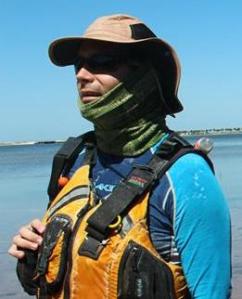
My original account described a wide brimmed hat, long sleeved rash guard, Buff, protective gloves, and sunscreen. Protection begins before skin becomes painful. Check clothing and equipment for rubbing, follow sunscreen directions, and make room for breaks out of wet clothing when practical.
What happened in 2011
During our 190 mile Great Calusa Blueway expedition in September 2011, I developed nipple chafing and hand blisters. By day three we had covered 50.4 miles. Friction and waterlogged skin were making themselves known.
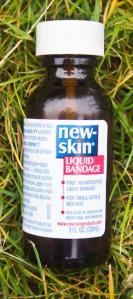
I applied New Skin liquid bandage and reported that it helped. It stung on my nipples. Sean had a cut on his foot with redness and swelling. We irrigated it and applied liquid bandage. My account said the redness and swelling subsided and that it healed within two days.
I called Sean’s wound infected in the original article. That was not a confirmed diagnosis. The improvement I reported does not tell us which part of the care caused it. It does not establish that sealing the wound was appropriate.
What I would teach differently
The current New Skin Drug Facts label describes use for minor cuts and scrapes and prohibits use on infected or draining wounds. It calls for medical advice for conditions including deep cuts, punctures, animal bites, and serious bleeding. Follow the exact product label and individual medical advice.
I withdraw the earlier explanation that liquid bandage caused blister fluid to be absorbed and skin to harden. I did not establish that mechanism. My use on chafed nipples should not be taken as a recommendation for that sensitive area.
Address friction early. Stop in a safe place, inspect the skin, and change the clothing, grip, or equipment causing the problem. Protect blisters from further rubbing and reassess function. Blister drainage is a decision and technique to learn through your course provider, not something this article instructs you to attempt.
A wound pack gives options, not permission to close every cut
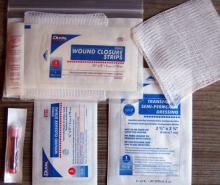
My wound pack contained gauze, compound benzoin tincture, closure strips, and a transparent dressing. The earlier wording made those supplies sound like a general solution for larger cuts. That was too broad.
For superficial wounds, AHA and American Red Cross first aid guidelines support thorough irrigation and clean protective dressings. Running tap water or sterile saline is appropriate for irrigation; routine antiseptic irrigation is not necessary. In remote settings, use water safe to drink. A needleless irrigation syringe directs the rinse. Its capacity is not the total amount of water a wound needs.
Control bleeding according to your training. Wash hands and use gloves when available. Do not probe blindly or remove an embedded object. Deep, heavily contaminated, bite, puncture, or possibly infected wounds need medical assessment rather than an improvised closure. Benzoin is an adhesive aid for compatible dressings on intact surrounding skin, not something to pour into a cut.
Include vaccination history when arranging care. CDC wound guidance explains how clinicians assess the need for tetanus vaccination or other protection. Do not wait for tetanus symptoms to ask.
Coastal exposure changes the plan
CDC recommends keeping open wounds out of saltwater and brackish water when possible. If exposure could occur, use a waterproof covering. After exposure, wash thoroughly with soap and clean running water. A waterproof dressing does not make continued immersion risk free.
Increasing pain, redness, warmth, swelling, or drainage needs prompt medical attention, particularly after coastal exposure. Rapid worsening, severe pain, discoloration, blistering, fever, or feeling seriously unwell calls for urgent medical evaluation. Tell the clinician about water exposure. Do not wait for the next campsite or try to seal the problem beneath liquid bandage.
If the patient cannot travel safely or is deteriorating, activate emergency help. Continue care, document changes and times, and reassess while arranging a safe exit. Paddling out is not automatically the safest evacuation method.
Mosquito bites do not need mud
I withdraw the seawater, mud, and liquid bandage suggestions for itching. CDC recommends washing mosquito bites with soap and water and using an ice pack to reduce itching and swelling. Protect skin from direct ice contact, avoid scratching, and follow the label and individual suitability for any itch relief medicine.
A scratched bite is broken skin. Adding mud or coastal water introduces contamination rather than establishing a cure.
Practice the decisions before the trip
Check whether an injury affects grip, steering, bracing, walking, or participation in a rescue. Recheck dressings and skin during breaks. Record findings rather than treating a suspected diagnosis as fact.
Use a Wilderness First Aid course to practice assessment, care within your training, and evacuation decisions. For paddling instruction, see Liquid Rhythm’s current classes. For the reflective companion account and related reading, visit FloridaOATS and its first aid reading guide.
Looking after a companion can be ordinary work: a clean dressing, a dry shirt, or an honest decision to end the trip. Supper together is worth looking forward to. Getting everyone there deserves the same care.
Jeffrey John Fabiszewski
Liquid Rhythm Kayaking
Primary sources
Sources checked October 21, 2026. This article supports preparation for training and does not replace a certification course, individual medical advice, or emergency help. The present references do not establish what caused the reported improvement in 2011.
New Skin Drug Facts
AHA and American Red Cross: 2024 First Aid Guidelines
CDC: Preventing Vibrio Infection
CDC: About Mosquito Bites
CDC: Wound Management to Prevent Tetanus
NOLS: Wilderness First Aid


2 Comments