Find the reading that helps you prepare, practice, and ask better questions.
A useful field reference gives you somewhere to begin and a reason to keep learning. These selected Liquid Rhythm Kayaking resources connect instruction with expedition records, practical decisions, and the experience behind our teaching.
Choose a lesson
Current kayaking classes and arrangements explains group, specialty, and private instruction, prices, equipment, and what to bring. Meet your instructors for our experience and teaching backgrounds. If you are unsure where to begin, tell us what you want to learn.
Explore Greenland paddling
Traditional Greenland qajaq instruction introduces this part of our paddling practice. The rolling video archive offers demonstrations to discuss with an instructor. Watching a movement and being ready to practice it independently are different stages of learning.
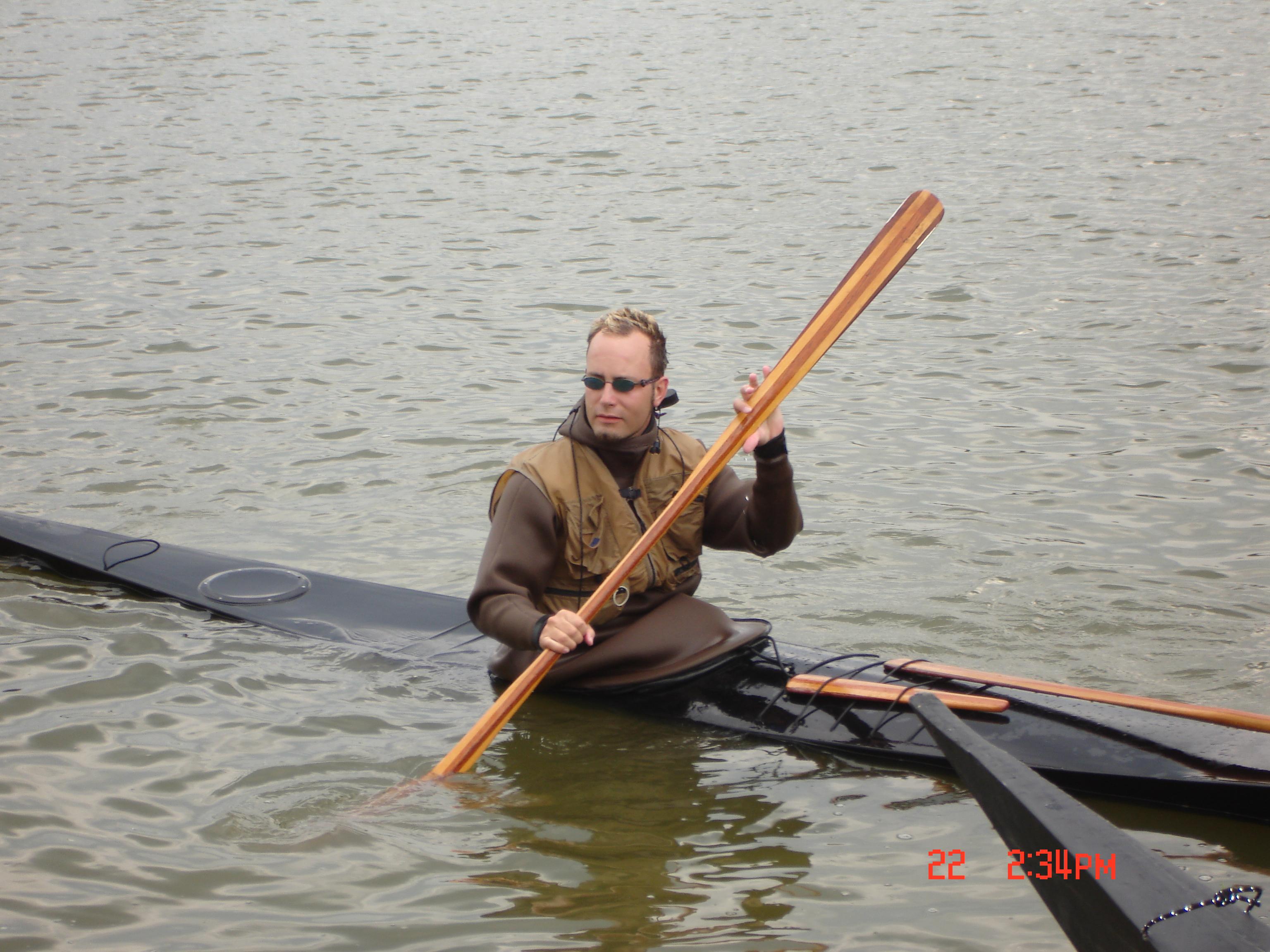
Tuiliks in Florida? — My experience using a traditional Greenland paddling garment, also spelled tuiliq, on cooler and rainy Florida days. Includes historical Bug Head equipment and a current manufacturer reference.
Plan an expedition
The expedition archive gathers our completed Florida journeys, original reports, photographs, and planning lessons. Follow the route decisions and camp arrangements as well as the miles.
From Sail to Paddle: A Sea Scout’s Guide to Planning a Kayaking Long Cruise examines what changes when a crew moves from one larger vessel into separate kayaks. It covers group preparation, loaded boats, navigation, provisions, and the applicable Scouting requirements.
Think through navigation and access
The long cruise guide also discusses chart reading, compass work, tides, currents, and keeping a paddling group together. Pair it with our W. P. Franklin Lock portage account for a specific example of moving boats and equipment around an obstacle during the 2011 expedition.
These are planning discussions and historical accounts, not current passage instructions. Confirm route access, closures, weather, water conditions, and land manager requirements for your own journey. Bring navigation questions into practical instruction before relying on a new skill remotely.
Prepare for first aid decisions
Wilderness First Aid for Kayakers: Scene Safety, Care, and Help uses a clearly labeled hypothetical situation to examine assessment, changing plans, and obtaining assistance.
Skin ’tastic Thinking: First Aid preserves an expedition account while correcting its earlier treatment conclusions. Read it for wound care limits, coastal exposure, and the ways an injury can affect safe travel.
Use the sources and review dates in these articles. Follow your course provider’s current protocols and your level of training. Reading cannot replace a certification course, individual medical advice, or emergency help.
Look after the camp
The Black Bag in Every Kayak discusses the waste collection arrangements on a Maine paddling trip and the disposal and hygiene distinctions I would make today. It connects sanitation with food storage, clean hands, and responsibility for the group.
A historical practice is something to examine, not automatically repeat. Confirm current destination and waste disposal requirements before departure.
Read equipment experience in context
Before You Sell the Adventure, Learn What the Boat Can Do looks back at our 2006 Ocean Kayak surf training. It explores why instructors need experience with equipment before recommending it. The circumstances in that account are not a suggested beginner exercise.
For more equipment discussions and trip writing, browse the Liquid Rhythm journal. Older observations describe particular equipment and circumstances. Check the instructions and limits for the model you actually use.
Explore the meaning behind the skills
My companion publication, FloridaOATS, explores outdoor heritage, Florida places, family memories, food traditions, and stewardship. For a specific companion essay, read the FloridaOATS version of The Black Bag in Every Kayak, which considers what it means to be a good guest in a place.
The practical account and the reflective essay have different jobs. One helps us consider arrangements for a trip. The other asks what we owe the people and places that make the trip possible.
Ready to turn reading into practice? Visit the classes page or email Jeff@liquidrhythmkayaking.com with your experience, goals, and questions.
Jeffrey John Fabiszewski
Liquid Rhythm Kayaking

