
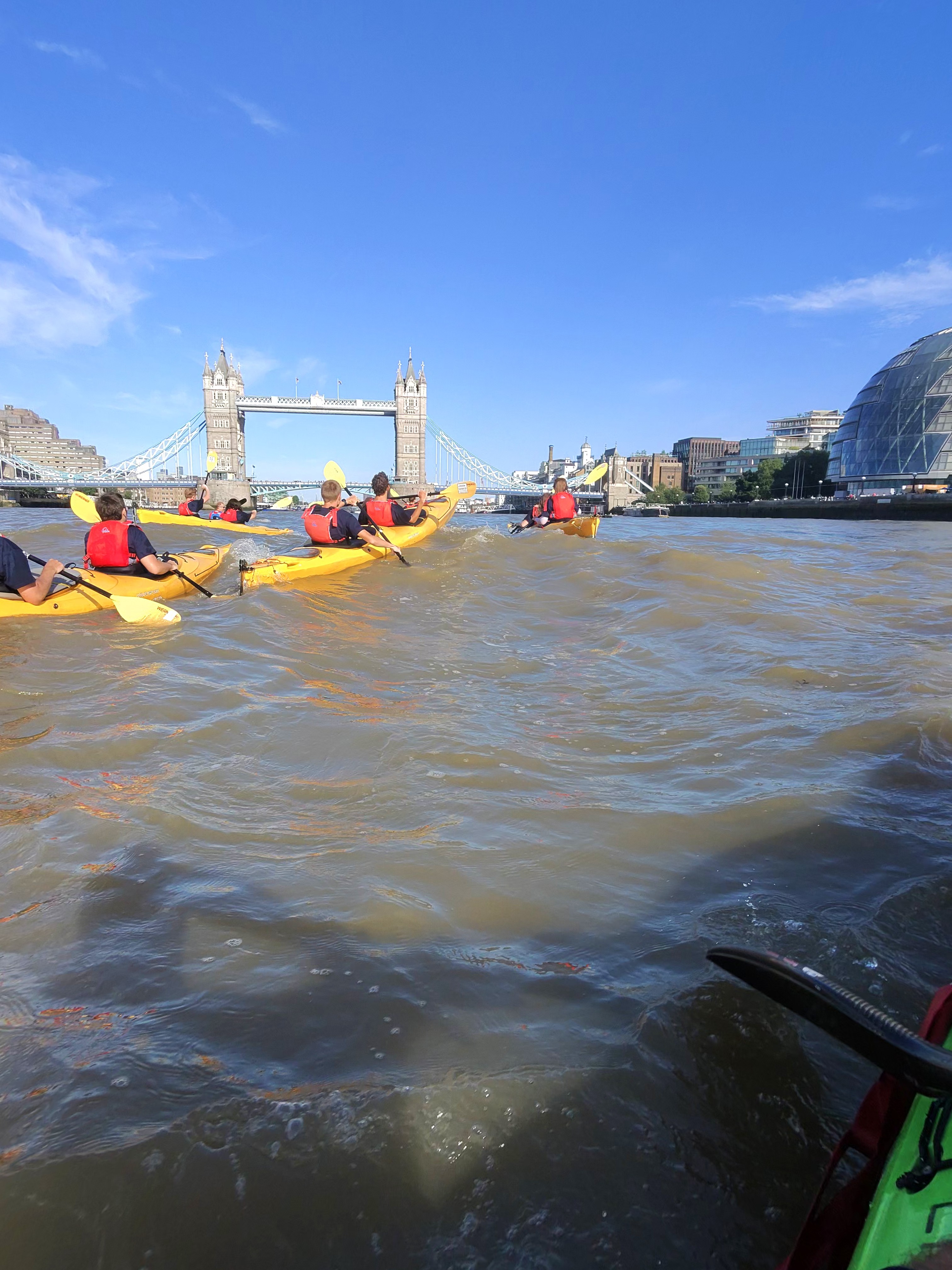
The Boat Gets Smaller. The Responsibility Gets Bigger.
A Sea Scout who has stood watch, plotted courses, handled lines, interpreted weather, and completed a sailing cruise already understands much of seamanship. Now exchange the sailboat for a loaded sea kayak. There is no engine, cabin, or galley, and every paddler controls a separate vessel. The skills transfer, but the responsibilities change. You are halfway there. The other half requires paddling.
What Sailing Knowledge Transfers?
Chart reading, compass navigation, dead reckoning, tides, currents, weather, navigation rules, voyage planning, provisions, and crew leadership all remain useful. The difference is that the kayaker must navigate and propel the boat at the same time. Wind and current that barely trouble a sailboat can stop an exhausted paddler. Practice reading a deck chart and compass while keeping the group together. Electronic navigation supplements, but does not replace, judgment.
Understand the Expedition Kayak
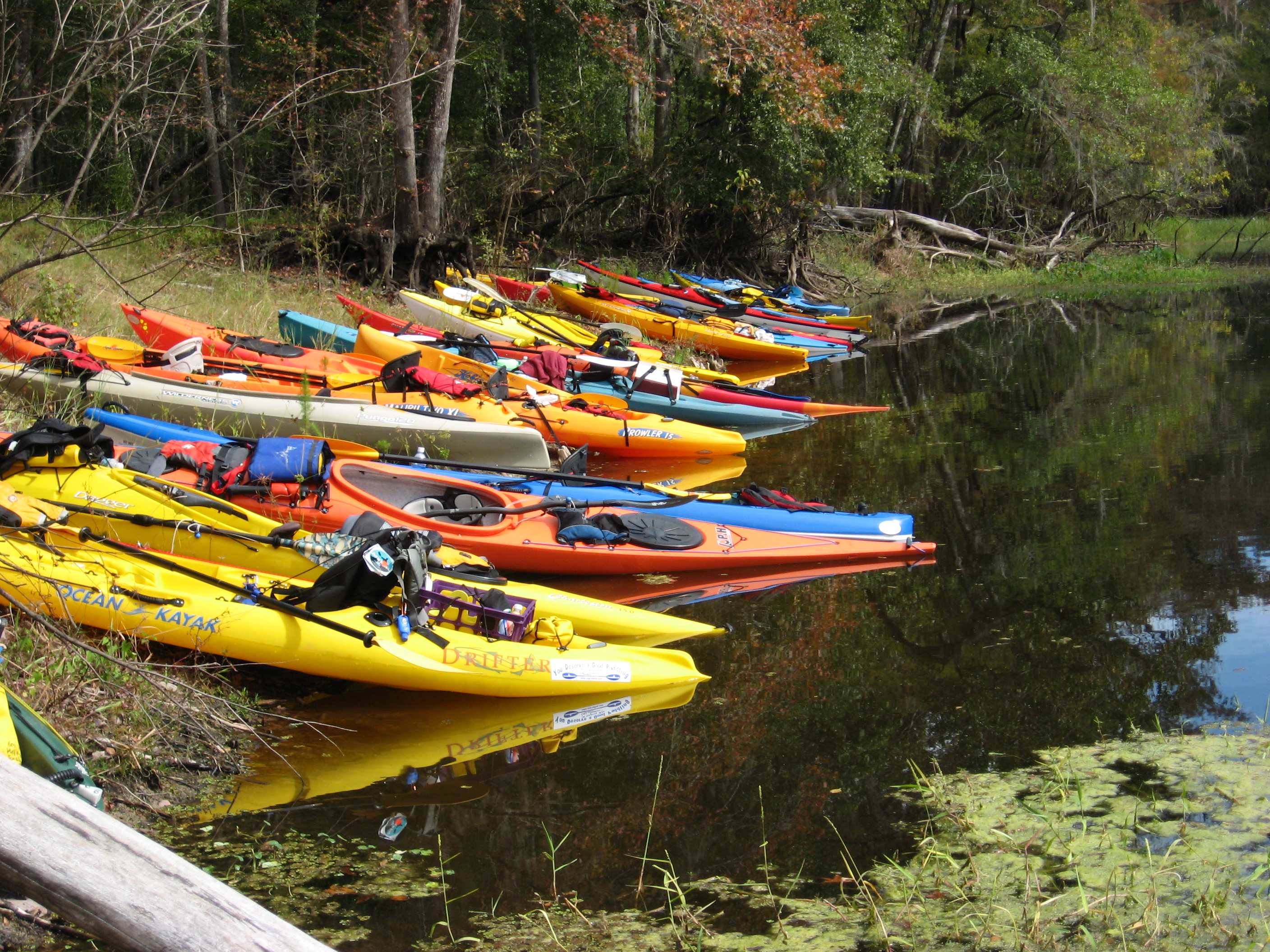
A sea kayak is a vessel, not a floating backpack. Choose craft appropriate to the route and paddlers, with suitable flotation, deck lines, secure storage, and rescue arrangements. Load heavy gear low and near the center, maintain trim, protect sleeping equipment from water, and keep emergency supplies accessible. Stay within the manufacturer’s load rating. Test the fully loaded boat before departure; it will handle differently from an empty kayak.
From One Ship to a Fleet
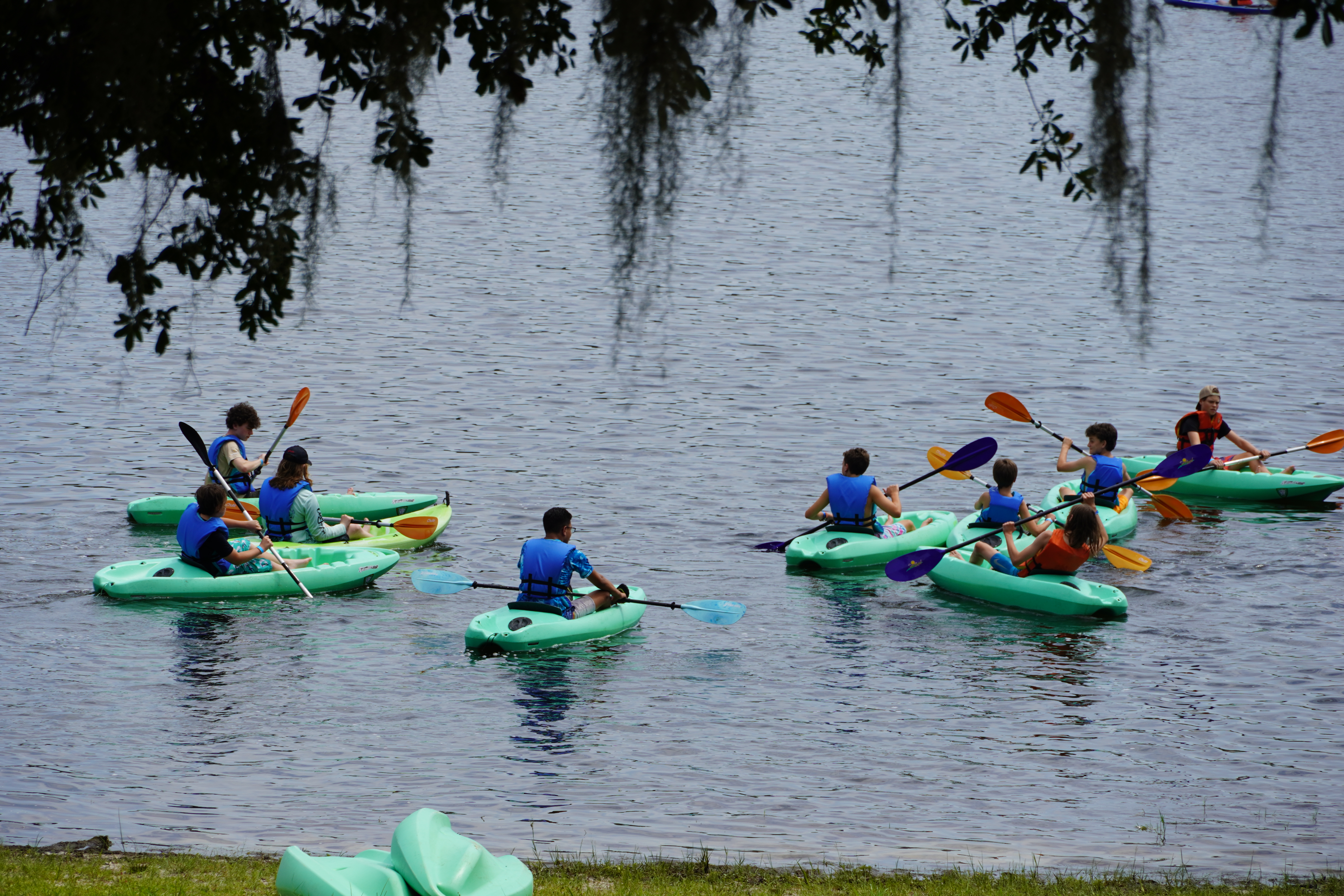
On a sailboat, the crew operates one vessel. On a kayaking cruise, each Scout operates a separate vessel within a coordinated fleet. The youth Boatswain can lead planning, a navigator can track the course, a Quartermaster can manage food and shared equipment, and qualified lead and sweep paddlers can help maintain group cohesion. Rotate responsibilities. A group travels at a pace that its least capable paddler can safely sustain. Buddy boats supplement, rather than replace, whole group accountability.
Safety Afloat and Qualified Supervision
Scouting America’s current Guide to Safe Scouting and Safety Afloat requirements govern the activity. They address adult leadership, Safety Afloat training, first aid and CPR, swimmer classification, life jackets, buddy systems, equipment, skills, weather, and float planning. Check the current text before departure rather than relying on an article’s summary. The policy describes a responsible adult supervisor aged at least 21 with Safety Afloat training completed within the preceding two years, and a trained supervision ratio of one per ten participants, subject to separate adult leadership and youth protection requirements. A ratio is a minimum, not evidence that the group is ready for remote coastal travel.
Safety Training Is Not Expedition Competence
The official Paddle Craft Safety Instructor Guide makes the distinction clear: Safety Afloat training “does not provide the skill training mandated by those guidelines.” Its training includes boat handling, rescues, group management, and emergency preparation. Basic kayaking or river kayaking training is valuable, but neither alone certifies someone to lead a remote tidal coastal expedition. Supervisors must have competence appropriate to the specific route. Youth should practice wet exits, assisted rescues, self rescue methods, towing where appropriate, and maneuvering a fully loaded kayak. A successful pool rescue does not prove open water competence.
Build the Cruise in Stages
Begin with instruction in strokes, bracing, capsize recovery, and group signals. Progress to protected water day trips, loaded kayak drills, an overnight shakedown, and a multiday voyage before a remote long cruise. Safety Afloat discusses a benchmark of three hours of supervised practice or demonstrated proficiency for certain extended trips in human powered craft. That is not a sufficient preparation plan by itself for a fourteen day coastal wilderness expedition. Test the skills in conditions relevant to the intended voyage.
Plan the Route, Not Just the Mileage
Three knots can be a preliminary planning assumption for a capable group in favorable conditions, not a promised speed. Consider headwinds, contrary tides, vessel traffic, exposed crossings, landing opportunities, weather, daylight, and medical evacuation. A seven nautical mile exposed crossing can be harder than ten sheltered miles. Identify alternate camps and decision points. Florida offers progressively more demanding classrooms, from carefully selected protected Tampa Bay routes to the Suwannee River, Ten Thousand Islands, and Everglades Wilderness Waterway. None is automatically suitable simply because it looks inviting on a chart.
Weather and the Decision Not to Launch
Study marine forecasts and local conditions, establish conservative weather limits, and identify safe landing and suitable storm shelter before launch. Florida thunderstorms demand early decisions. A beach or mangrove edge is not necessarily safe lightning shelter. Stop paddling when dangerous weather threatens and follow current Scouting weather procedures, including the applicable thirty minute wait after thunder or lightning. No campsite reservation is worth gambling with a youth crew.
The Shore Camp Is Your Galley
A sailboat carries its living quarters; kayakers build theirs at each stop. Assign landing, kayak security, shelters, sanitation, water, cooking, and Leave No Trace responsibilities. Verify legal campsites and permits. Plan drinking water carefully: ordinary backpacking filters cannot desalinate seawater. Carry adequate water and reserve supplies, and verify resupply points. Food is more than calories. A shared hot supper after a difficult passage restores morale and gives the crew time to reflect. Years later, Scouts may forget the day’s mileage but remember who cooked supper under the stars.
Float Plan and Medical Preparedness
Prepare a written route, launch and landing locations, waypoints, expected arrival times, alternate camps, communication plan, emergency contacts, and overdue party procedures. Give it to a responsible person ashore. And send a copy of the Float Plan to your local Council Program Director. Confirm current medical documentation, first aid and CPR training, rescue resources, communications coverage, and evacuation options. Remote trips may warrant marine VHF and satellite emergency equipment. A cell phone is not a complete emergency plan.
Can Kayaking Count Toward the Long Cruise Badge?
The 2025 Sea Scout Manual, section 14.2, describes the Long Cruise badge in terms of authorized vessels or boats rather than sailboats alone. It describes two weeks of cruising or qualifying overnight and weekend cruises totaling fourteen days, with no mileage minimum. The manual’s provisions include Ordinary rank before a youth begins recording qualifying time; registered adult Sea Scout leaders have separate eligibility. A qualifying overnight counts as two days, and a Friday through Sunday cruise counts as three. Refer to the current manual (there are always updates to advancement), https://advancements.scouting.org and ship authorization before treating any particular trip as qualifying. Keep individual cruise logs with dates, route, weather, duties, and lessons learned.
Let the Scouts Lead
Adults must provide qualified supervision, technical instruction, and firm safety boundaries. Within those boundaries, Scouts should research the route, calculate supplies, make the budget, plan the menu, brief the weather, and revise the itinerary when circumstances change. An adult who plans everything and invites Scouts along may organize a pleasant vacation, but has missed an opportunity to teach leadership.
The Real Destination
The long cruise is not merely a patch or mileage total. It is the moment a navigator catches a mistake, a tired paddler receives help, or the crew chooses the safer route. A paddle is a tool. A kayak is a vessel. A chart is information. What matters is the judgment of the person using them. Know your vessel. Know your crew. Respect the water. Bring everyone home. The sails may be gone, but the seamanship remains.
Official References and Further Reading
Guide to Safe Scouting: Safety Afloat; Paddle Craft Safety Instructor Guide; 2025 Sea Scout Manual, section 14.2; Aquatics Forms and Resources; Companion: Your Pack Weighs Nothing… Your Kayak Weighs Everything. Always consult current policies before departure.

