
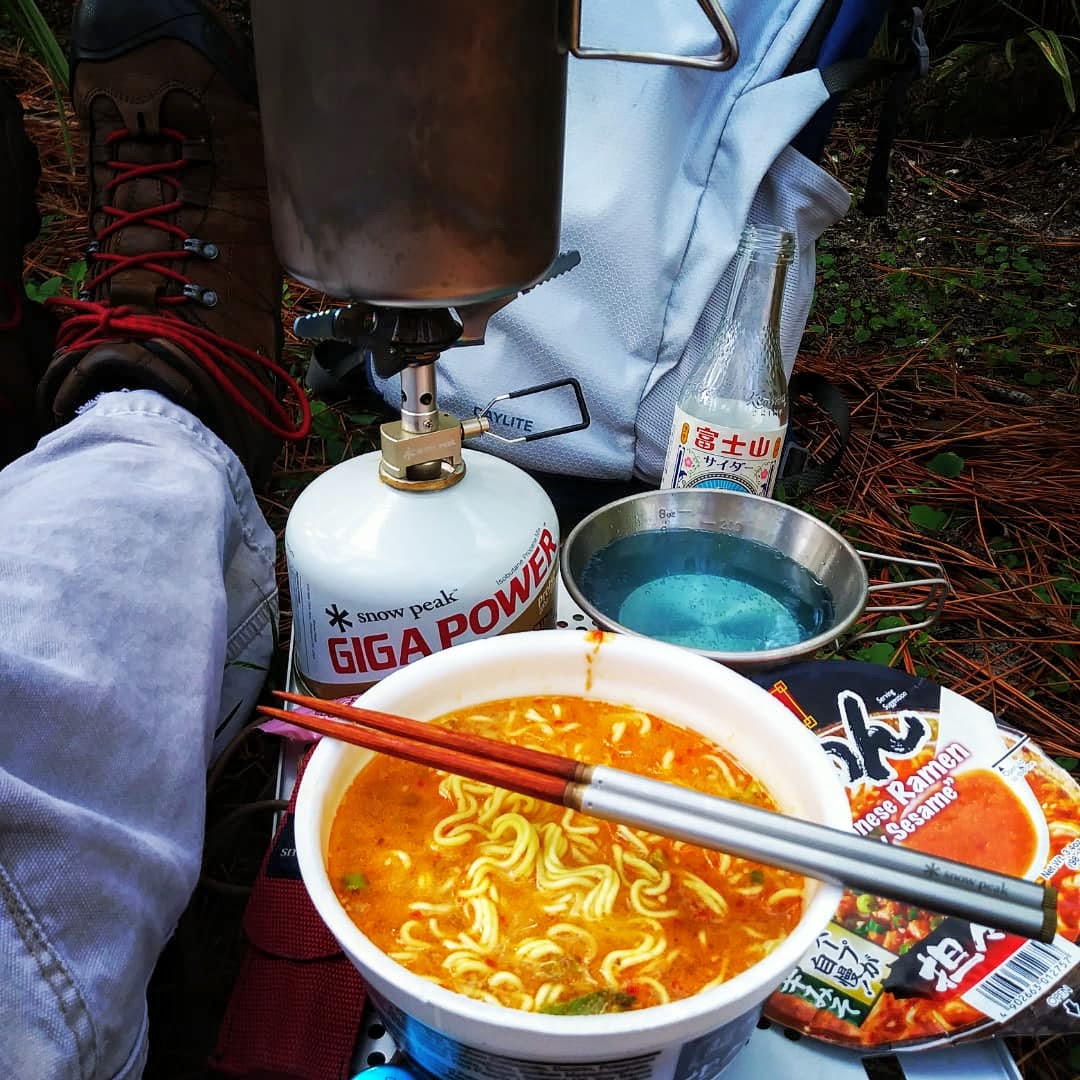
We talk a lot about stoves, pans, and camp recipes—but we rarely give enough attention to one of the most underrated pieces of backcountry kitchen gear: your utensils.
I’ve used everything from titanium sporks to whittled sticks and collapsed plastic forks, but after years of cooking (and eating) in the field, I’ve landed on one tool that stands out in both form and function: the SnowPeak Wabuki Chopsticks.
Whether I’m instructing a backcountry cooking course in the Everglades, guiding a kayak expedition off the Maine coast, or running an overlanding campout deep in the Florida unknown, these chopsticks are tucked to the inside of my food kit, ready to go.
Design Meets Function
The Wabuki Chopsticks are a perfect example of SnowPeak’s attention to detail. The tips are natural bamboo for a comfortable, familiar feel in the hand, and the handles are lightweight, aircraft-grade aluminum or titanium depending on your model. The pieces thread together seamlessly and pack down small—ideal for minimalist kits or ultralight setups.
But these aren’t just pretty utensils. They’re tools. I’ve used them to:
- Stir sautéed greens in a titanium skillet
- Flip strips of marinated trout over coals
- Handle ramen noodles straight from the boil
- Pluck delicate mushrooms from the forest floor
- Plate cornbread slices without crumbling the edge
Their length and control beat most camp spoons or sporks when you’re working with hot pans, sticky rice, or fine ingredients. Plus, they clean up in seconds and dry fast—critical in humid environments or during fast-moving expeditions.
Why Chopsticks in the Field?
Most people don’t think of chopsticks as backcountry gear. But hear me out.
Chopsticks are precise, silent, and incredibly versatile. They don’t gouge non-stick pans, don’t require soap to clean, and take up virtually no space. They’re perfect for low-impact, high-skill cooking—the kind I teach in my expedition cooking classes. And yes, I’ll even show you how to use them to beat eggs or portion out dumpling filling.
In fact, one of my most popular trail meals is a mountain twist on Bang Bang Chicken—served over rice and eaten with Wabuki chopsticks under the stars. There’s something about the deliberate motion of eating with chopsticks that slows you down, helps you savor the food you just worked so hard to make. That’s the kind of intentional outdoor experience I try to build into every trip.

Durability & Aesthetic Value
I’ve dropped these into sand, washed them in cold stream water, and left them sitting on a rock during a sudden downpour. They still look beautiful. The bamboo is smooth and durable, and the titanium housing has zero corrosion or damage after years of use.
When I’m teaching, people always ask about them. “What are those?” they say, watching me casually stir-fry greens on a twig stove. They’re a conversation starter—and a small but meaningful upgrade to your outdoor kit.
Final Thoughts
If you’re tired of clumsy plastic sporks or digging through your gear bag for a bent spoon, do yourself a favor and pick up a pair of SnowPeak Wabuki Chopsticks. You’ll eat better, cook cleaner, and gain an appreciation for a tool that’s as ancient as it is relevant to modern wilderness travel.
And if you’re curious how to actually cook with chopsticks—how to prepare authentic trail meals that go way beyond freeze-dried pouches—I offer private and group instruction in overlanding, bushcraft, and expedition meal skills.
You bring the curiosity. I’ll bring the fuel, the know-how, and maybe a bottle of soy sauce.
Travel light. Eat well. Cook with intention.
– Jeff Fabiszewski
Expedition Cook | Wilderness First Responder | Chopstick-Wielding Camp Chef
—
Want to learn more about minimalist cooking tools and how to use them in wild places? Hit me up through Liquid Rhythm Kayaking for custom workshops and guided trips built around skill-building and damn good food.
 Liquid Rhythm Adventures' Journal