
The Atlantic hurricane season officially began on June 1 and will last through the end of November.
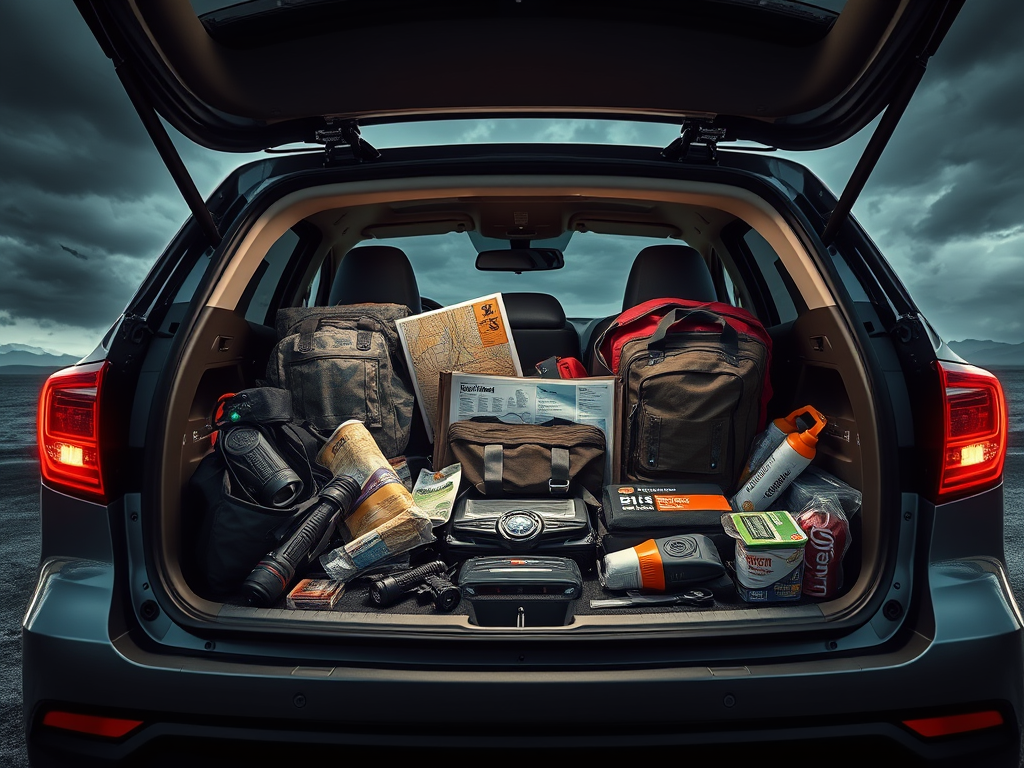
When a hurricane hits, the time to prepare is long before you’re watching storm radar swirl on your phone. As a wilderness professional and expedition cook, I teach people how to use their outdoor skills and gear to respond to real-world emergencies. One of the smartest ways to get ready is to build a Hurricane Go Bag for your vehicle this mobile survival kit is designed to keep you self-sufficient if you need to evacuate quickly, help neighbors, or hunker down roadside.
Here’s how to pack it, based on the Ten Essentials, plus a few key upgrades for modern disasters:
1. 🗺️ Navigation
Your phone GPS is great until the towers go down.
- Paper maps of your region (laminated if possible)
- Compass
- Pre-downloaded offline maps on your phone or GPS
- Written directions to shelters, hospitals, and alternate routes
Jeff’s Tip: Practice navigating by map without a signal. I teach this skill in kayak, overland, and backcountry contexts and it applies perfectly to hurricane travel.
2. 💡 Headlamp & Power
Light and power are everything when roads are dark and services are down.
- LED headlamp + extra batteries
- ENO Twilights Camp Lights (for interior car lighting or tent use)
- Goal Zero Nomad 20 Solar Panel + USB power bank
- Battery-powered NOAA weather radio (bonus if it has a flashlight and phone charger)
Jeff’s Tip: My courses teach how to build solar-based lighting systems that work in the field or from your car because visibility keeps you safe and calm.
3. 🔪 Knife, Multitool & Chainsaw
Tools are survival force multipliers.
- High-quality multitool (Leatherman, Gerber, etc.)
- Fixed-blade or folding knife
- Gas-powered chainsaw for clearing fallen trees from escape routes
- Fuel, bar oil, PPE (gloves, chaps, eye/ear protection)
Pro Tip: Always check for downed power lines before clearing debris. Assume every wire is live. No multitool fixes electrocution.
Jeff’s Tip: I train people in chainsaw safety and bushcraft tool use for both wilderness and post-disaster response.
4. 🔥 Fire Starter
You may need to boil water or warm up outdoors.
- Waterproof matches, ferro rod, lighter
- Solid fuel tabs or alcohol stove
- Tinder (cotton balls in Vaseline, dryer lint, etc.)
⚠️ Safety Warning: Never cook with propane or isobutane stoves inside your vehicle, tent, or home, remember carbon monoxide kills. Always cook outside or in a fully ventilated area.
Jeff’s Tip: I teach safe storm cooking setups using tarp shelters, makeshift kitchens, and alternative fuels.
5. 🏕️ Shelter (for Car or Trail)
Whether you’re sleeping in your car or on the move, shelter matters.
- Backpacking tarp, bivy sack, or ultralight tent
- Reflective blanket or emergency bivy
- Foam pad for insulation
- Prepped interior space in your vehicle for sleeping
Hurricane Add-On: Secure your home like you would a backcountry basecamp: board windows, sandbag doors, and stow loose gear.
Jeff’s Tip: I teach tarp setups for vehicles, porches, garages, and field shelters. Protection comes before comfort.
6. 💧 Water
Clean water is priority #1.
- 3-day supply minimum (1 gallon/person/day)
- Portable water filter (Sawyer, Katadyn, etc.)
- Water purification tablets
- Collapsible water containers for refill runs
Jeff’s Tip: In my courses, I demo water sourcing and purification with and without gear. Knowing how to get clean water is a lifesaving skill.
7. 🍲 Extra Food
Think expedition rations that scale to long-term use.
- 1-month supply of nonperishable, backpack-ready foods:
- Freeze-dried meals
- Ramen, rice, lentils
- Tuna/chicken packets
- Jerky, trail mix, nut butters
- Instant oatmeal, powdered eggs
- Electrolyte mixes, coffee/tea
- Manual can opener + spork or 🥢chopsticks
- Mess kit (like a Trangia Mess Tin)
Jeff’s Tip: I teach storm-ready cooking techniques using expedition foods that are nutritious, compact, and familiar; because good food keeps morale high.
8. 👕 Extra Clothing
Layered clothing keeps you ready for any conditions.
- Moisture-wicking base layers
- Insulating midlayer (fleece or wool)
- Waterproof shell
- Extra socks and underwear
- Work gloves and beanie
- Lightweight shoes/sandals for water or camp use
Jeff’s Tip: Don’t forget quick-dry materials; they’re your first defense against hypothermia when wet.
9. 🩹 First Aid Kit + Medications
Preparedness includes prevention.
- Fully stocked first aid kit with trauma supplies
- 1-month supply of prescription medications
- Waterproof notecard with med names, dosages, allergies
- Bug bite/sting care, blister treatment, and wound irrigation tools
Jeff’s Tip: My WFR and disaster-prep students learn to handle long-term care and field improvisation when medical help is far away.
10. 🧴 Skin Protection
Your skin is a barrier you can’t afford to lose.
- High-SPF sunscreen and lip balm
- Insect repellent (DEET or Picaridin)
- Wide-brimmed hat, UV-protective clothing
- After-bite or anti-itch cream
- Lightweight gaiter for neck/face coverage
Jeff’s Tip: Post-storm conditions are ripe for bug outbreaks. I show how to apply layers of physical and chemical protection for all environments.
Final Word: Be Ready, Stay Kind
Packing a Hurricane Go Bag for your car isn’t just about surviving; it’s about being prepared to help your community, whether that means clearing a road, sharing extra food, or checking in on neighbors who can’t evacuate.
If you want to take your preparedness to the next level; overlanding, storm cooking, bushcraft, or WFR-level first aid. I’d love to teach you. My job isn’t just to get you outdoors. It’s to help you thrive when the world gets messy.
Stay ready, stay human.
– Jeff Fabiszewski
Professional Outdoor Educator & Wilderness First Responder
 Liquid Rhythm Adventures' Journal