
An environmental horror film, a 35mm projector, and a monster in the Han River.
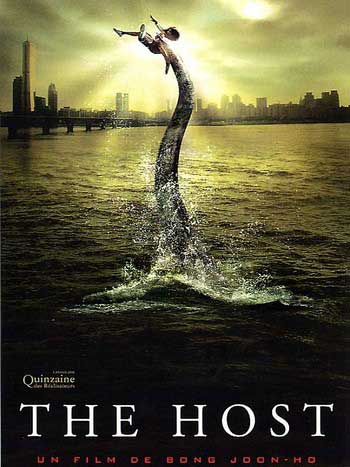
While working in the Information Technology department at Eckerd College in St. Petersburg, Florida, I had the additional responsibility of serving as the projectionist in the Dan and Mary Miller Auditorium for the Environmental Film Festival and International Cinema programs, coordinated by Dr. Nathan Andersen. This was back when movies still arrived on reels of 35mm film. Part of my job was assembling the film, preparing it for projection, and making certain everything was ready for opening night. One of those films was The Host (2006), a South Korean monster movie directed by Bong Joon-ho. Not only did I have the opportunity to watch the film before its public screening, which gave me a rather entertaining advantage. The Eckerd International Cinema Series also “well before local theaters or film festivals figured out it was safe to screen.” (CLTampa) treated the Tampa Bay area with the screening of “The Host”.
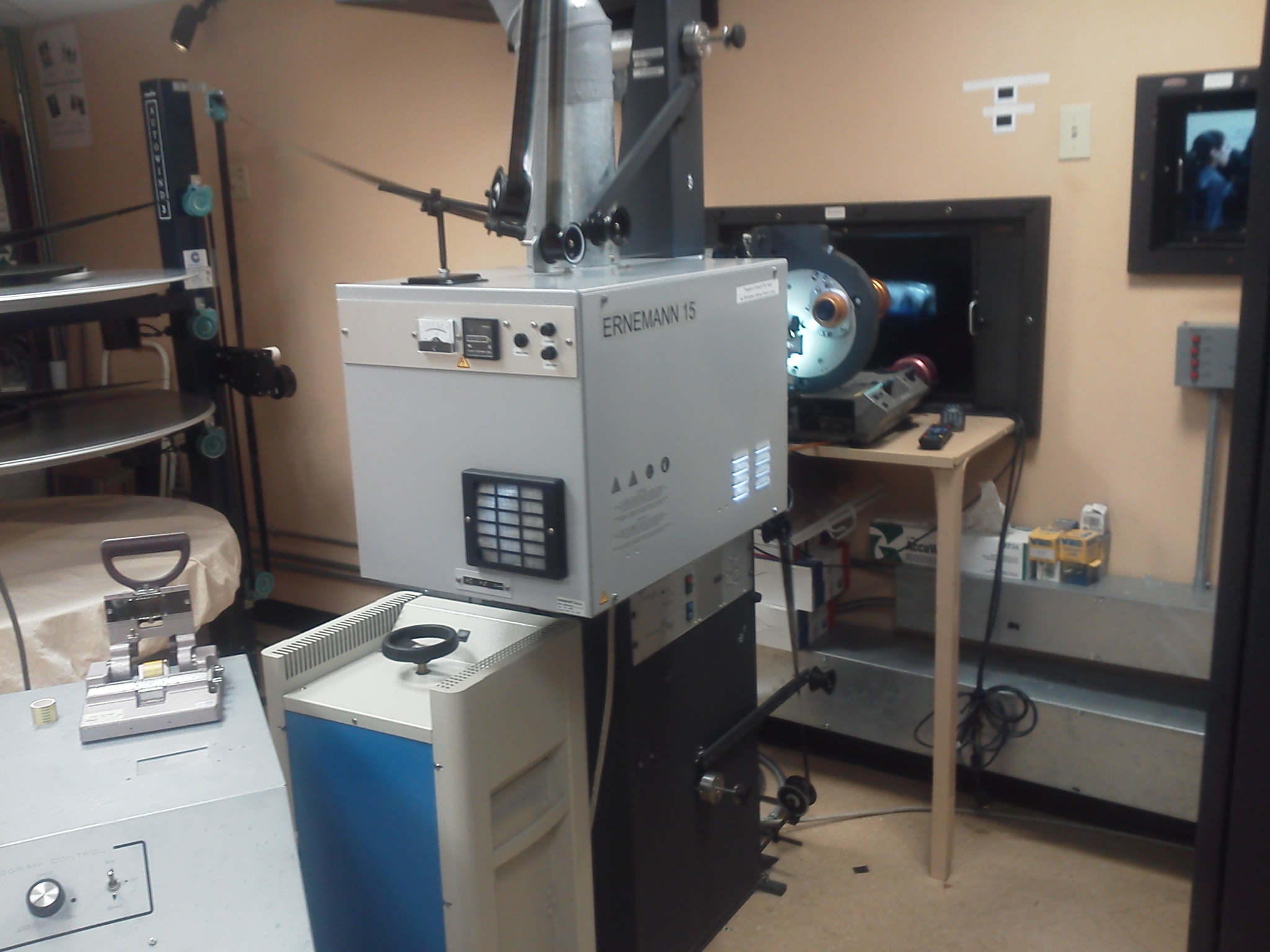
As a projectionist, watching the movie watchers can be just as enjoyable as watching the movie itself. You already know what is coming. You remember the scenes that surprised you, the moments that made you laugh, and the things that caught you off guard. Then, on opening night, you get to wonder whether the audience will react the same way. I had already met the monster. Now I could watch everyone else meet it.
The Host takes place along the Han River in Seoul, South Korea, where a strange aquatic creature emerges from the water and begins attacking people along the riverfront. The story follows a rather dysfunctional family attempting to rescue a young girl taken by the creature. There is horror, humor, tragedy, and plenty of criticism directed toward government authorities. What makes the film interesting is that the monster is not simply some prehistoric creature awakened from a long sleep. Its origins are connected to the dumping of toxic chemicals into the river. That brings me to another famous monster. When Japan introduced Godzilla in 1954, the creature represented the fears surrounding nuclear weapons and radioactive contamination. Godzilla was more than a giant reptile destroying buildings. It was a monster born from the anxieties of its time. I believe The Host is Korea’s Godzilla. Both films use an enormous creature to represent the consequences of human actions, particularly our willingness to damage the environment and then act surprised when something terrible happens.
(revision April 2013)
I have made a similar comparison with the American horror film The Bay (2012). In that movie, environmental contamination helps turn a coastal community into a nightmare. I think of The Bay as an American cousin to Godzilla, while The Host is South Korea’s contribution to the same tradition of environmental monster movies. Nuclear weapons remain a serious concern, but another danger is much closer to home for those of us who spend our lives around rivers, lakes, and coastal waters. Pollution enters our waterways from industrial discharges, sewage, agricultural runoff, fertilizers, pesticides, and stormwater carrying whatever people leave behind. Some of that contamination comes from identifiable discharge points. Much of it is nonpoint source pollution, carried into waterways from many scattered places across the landscape. The chemical dumping that begins The Host is a deliberate discharge, not nonpoint source pollution, but the larger message is familiar. What we put into our waterways does not simply disappear. As a sea kayak instructor and expedition guide, I have spent enough time traveling close to the surface of the water to appreciate that lesson. We do not need a giant monster swimming beneath our kayaks to recognize that something is wrong.
What I particularly enjoyed about The Host was its ability to move between frightening scenes and moments of almost ridiculous humor without losing the story. The family members are not polished action heroes. They argue, make mistakes, panic, and sometimes behave like people who have absolutely no business confronting a monster. Yet they keep trying. The film also takes some well-deserved shots at bureaucracy, public officials, and the confusion that follows a crisis. There is something recognizable in that, especially for anyone who has worked with emergency planning or taught people to make decisions in the outdoors. When circumstances change, good judgment becomes more valuable than confidence alone. Of course, I would not recommend The Host as a wilderness survival training film. It is a monster movie, and a very entertaining one. But beneath the creature effects and dark comedy is a story about family, responsibility, environmental damage, and the consequences of trusting that somebody else has everything under control.
I recommend watching The Host in its original Korean with English subtitles. Some of the humor and emotional exchanges are best appreciated through the actors’ original performances, and reading subtitles is a small price to pay for a good movie. It is an excellent choice for a stormy evening when the weather keeps you off the water. Make some popcorn, settle into a comfortable chair, and enjoy a monster that has a little more to say than simply frightening the audience. For me, the movie also brings back memories of Eckerd College, handling those reels of 35mm film, and sitting behind the projection booth glass while an auditorium full of people discovered what was lurking in the Han River. I had the pleasure of seeing the movie twice in two very different ways. The first time I watched the monster. The second time I watched the people watching the monster. Both were entertaining.
Jeff Fabiszewski
Liquid Rhythm Kayaking
Related reading: The Bay and PBS Poisoned Waters | Terror Near the Water | Outdoor Adventure Movies

