
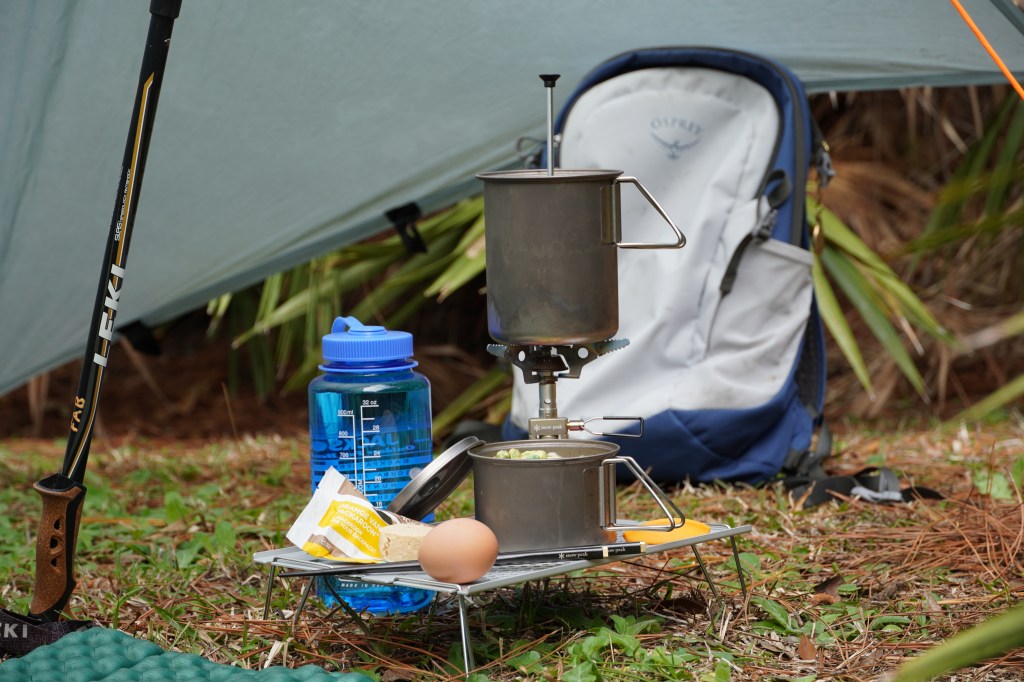
There are mornings when coffee is little more than a necessary part of getting underway. The tide is turning, the weather is changing, and a long day of paddling lies ahead. On those mornings, instant coffee suits me just fine. Then there are mornings when rain settles in, the boats stay ashore, and a percolator, a deck of cards, and a dry place to sit make a very agreeable morning.
I have used percolators, French presses, pour over systems, stovetop espresso makers, traditional pot brewed coffee, and instant coffee. I have no single favorite method. The right coffee maker depends on the trip, the weather, the available water, and the room in the boat. Equipment ought to serve the adventure, not dictate it.
Coffee Begins With Hospitality
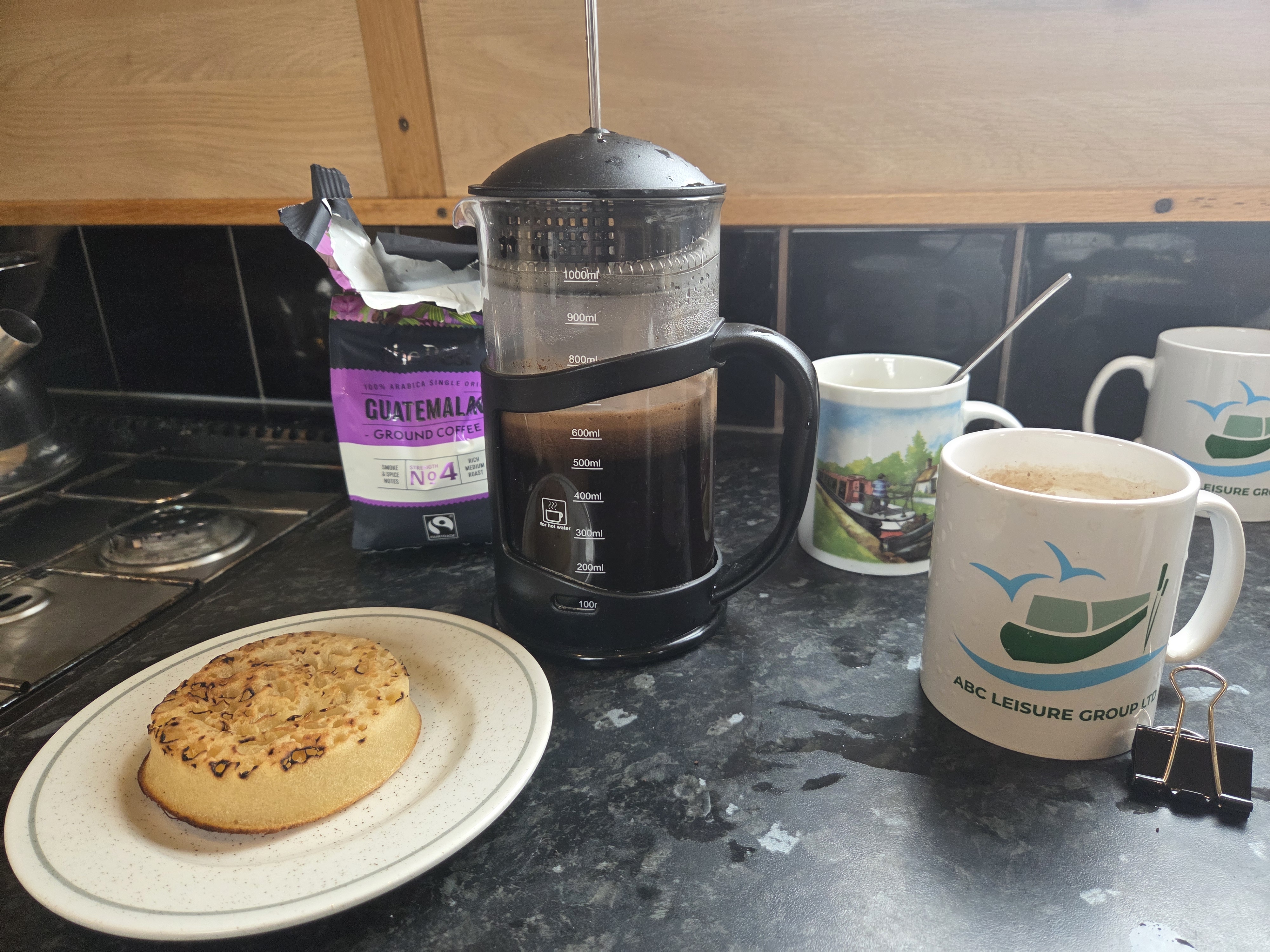
I learned to make coffee for adults in my Pennsylvania family and in Boy Scout Troop 1331 before I wanted a cup myself. Years later my son watched the coffee darken through his grandparents’ electric percolator. That story belongs in full in my Florida O.A.T.S. essay, Coffee Time: Family Traditions and the Campfire Cup. Here, I want to concentrate on what works when the kitchen travels in a kayak.
What Makes a Good Cup?
I like my coffee strong and black, generally a dark roast. I have no favorite brand. Given the choice, I look for organic coffee, fresh beans roasted within roughly two to four weeks, and a recent grind. I appreciate pleasant acidity, sweetness, and a clean aroma. Sometimes I simply buy what is available. Sometimes I buy a bag because the artwork catches my eye. Good packaging will not rescue bad coffee, but imagination deserves an occasional chance.
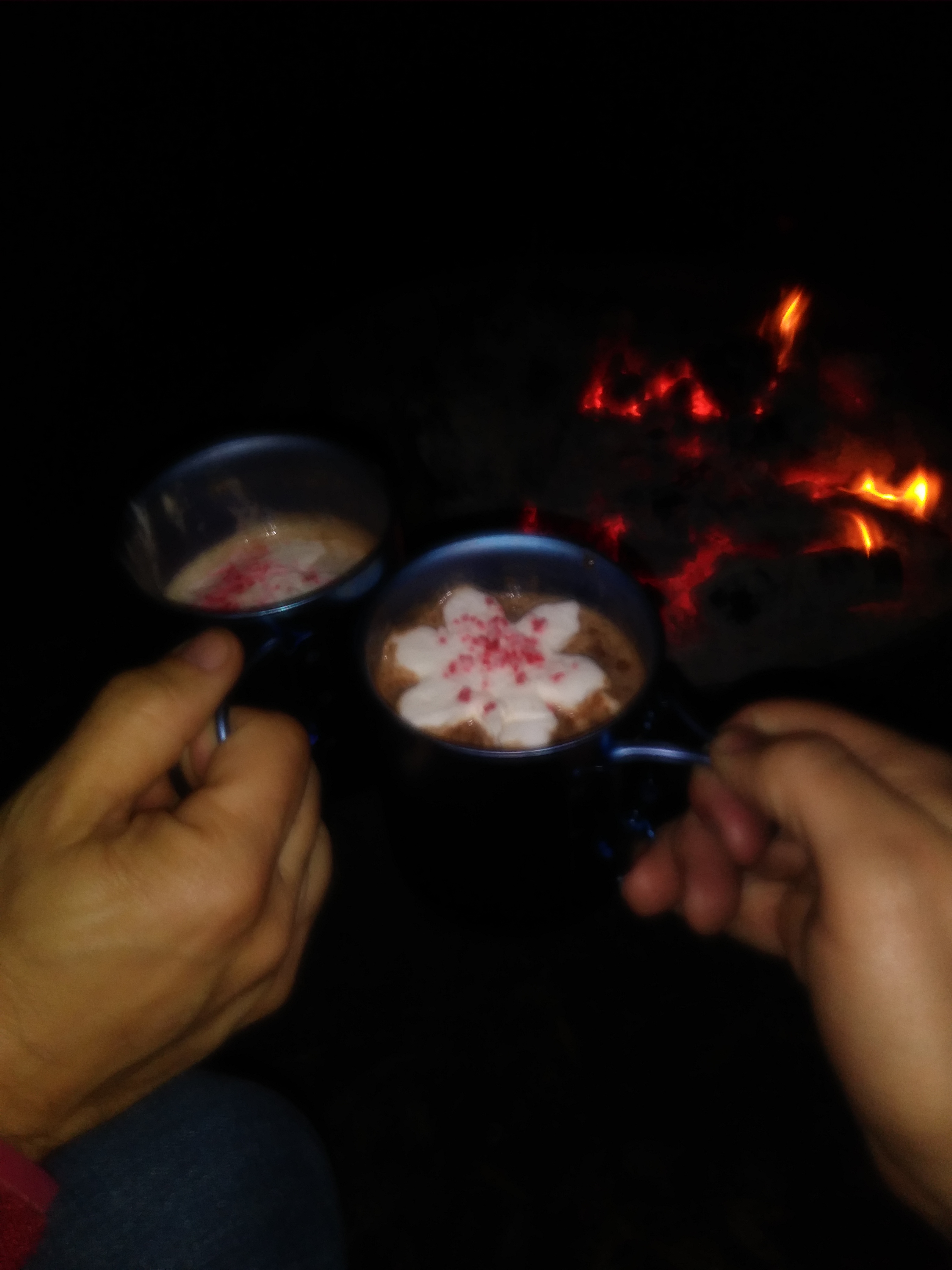
Occasionally I add hot cocoa mix and perhaps a marshmallow. Fresh Dutch oven donuts dipped into strong black coffee are another pleasure. I have written about making them in Dutch Oven Donuts for International Donut Day.
Choosing a Coffee Maker for the Expedition
GSI Outdoors Ultralight Java Drip
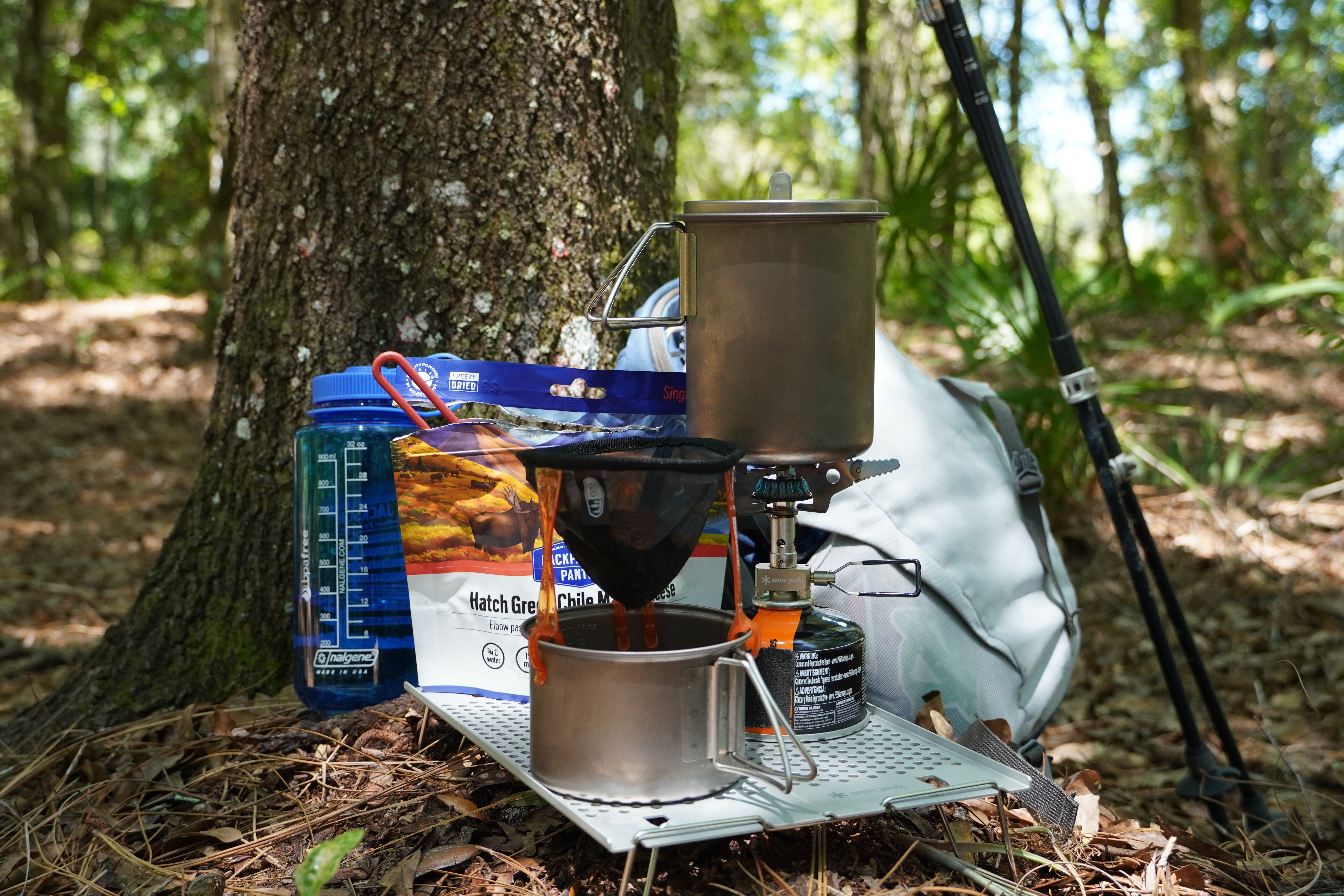
I own the GSI Outdoors Ultralight Java Drip. It is a compact way to make pour over coffee when I want a simple cup and a little time to enjoy it. One day I finished a perfectly good cup and decided to photograph my setup for Instagram. I placed the Java Drip too close to my collapsible wood burning stove while taking the photograph. The heat melted small holes in the synthetic dripper. The coffee survived. The equipment nearly lost its life to social media. Keep lightweight synthetic accessories well away from hot burners and cookware, even after brewing.
Snow Peak Titanium Dripper and Pour Kettle
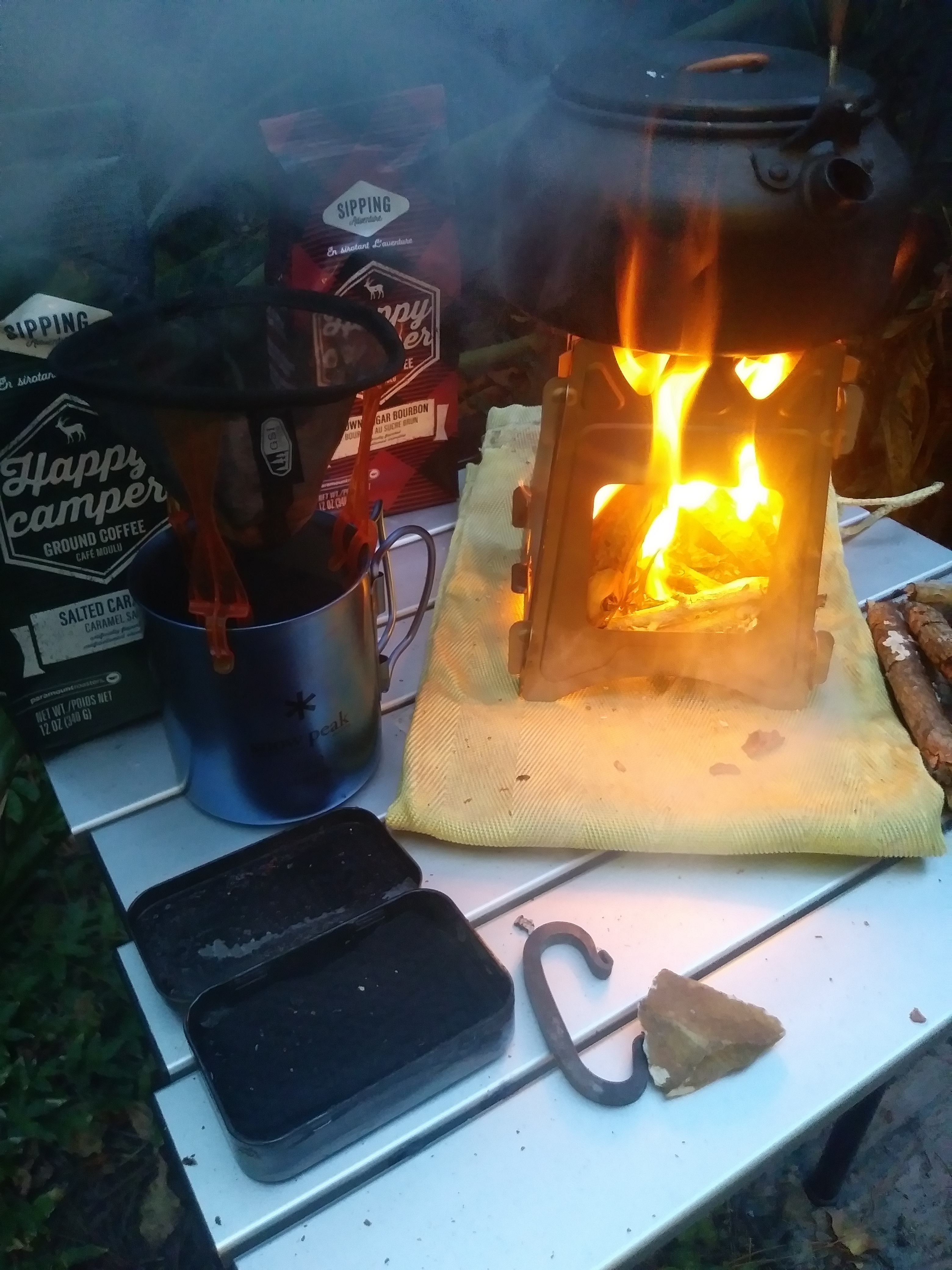
I have used these, but do not own them. I borrowed both from Russell Farrow, owner of Sweetwater Kayaks. Pour over brewing lets me control the water and the pace of the process. It suits an evening when I am not racing the tide.
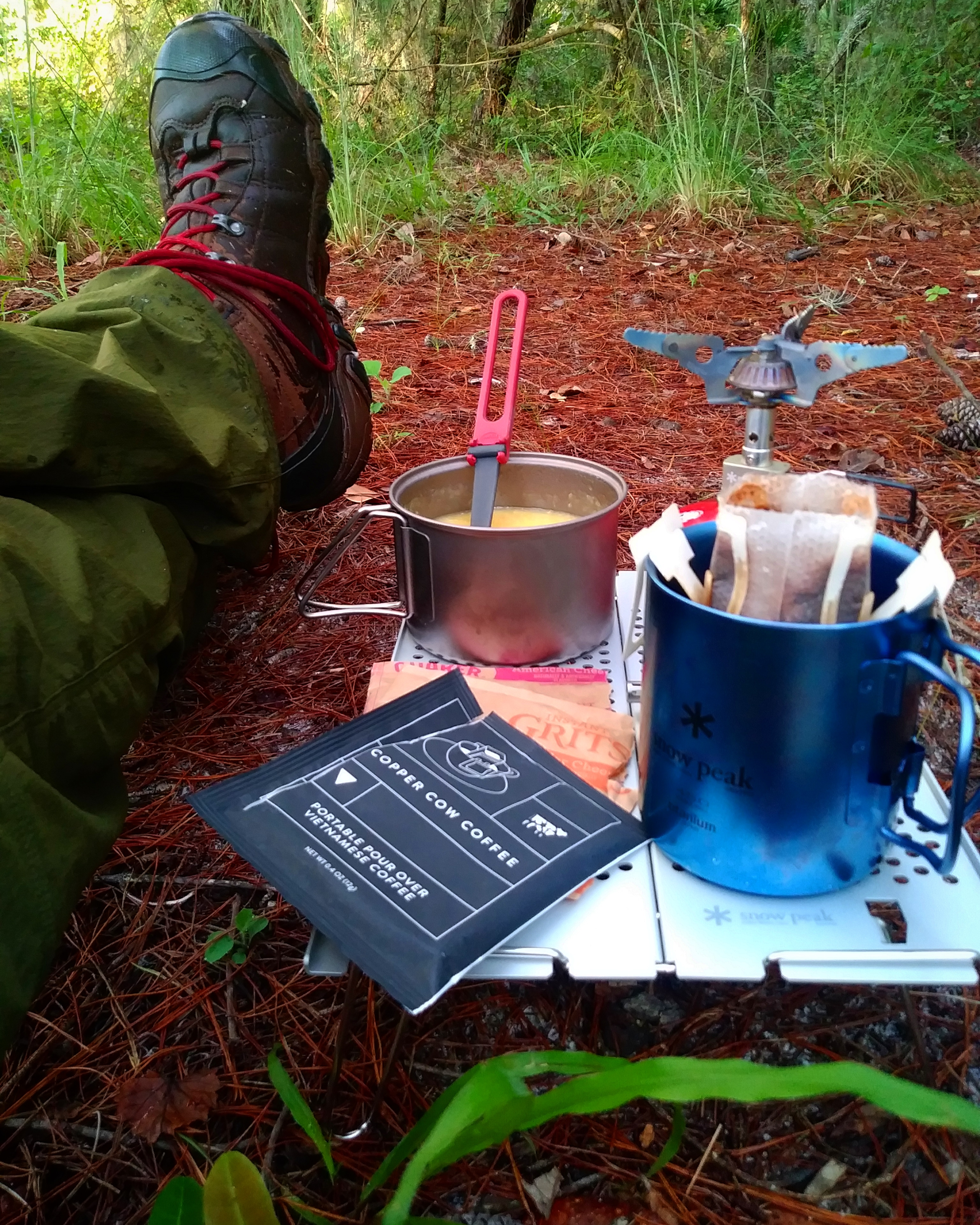
The photograph below shows another option: an individual pour over coffee packet resting in my blue Snow Peak mug beside breakfast. It offers a freshly brewed cup without carrying a separate reusable dripper. The used filter and grounds still need to leave camp with the rest of my rubbish.
Snow Peak Titanium French Press
I borrowed a Snow Peak titanium French press from Russell Farrow of Sweetwater Kayaks. I pushed the plunger too quickly on a Florida Keys expedition and coffee overflowed while Sean Fitzgibbon laughed. I tell the whole story in my separate article, Snow Peak Titanium French Press: A Borrowed Press and a Florida Keys Lesson. For the field guide, the practical advice is simple: let the coffee steep and lower the plunger slowly.
My GSI Percolator
I own a GSI percolator. When there is room in the boat, I enjoy packing it. If several cold and rainy days are forecast, it is one of the first coffee makers I consider. A percolator asks me to pay attention. I watch the brew, manage the heat, and take the pot off before repeated boiling turns a good cup bitter. It is not the fastest method, and that is sometimes the point.
That familiar sound of a percolator takes me back to the kitchens where I first learned to make coffee for other people. In camp, a shared pot gives us an excuse to sit awhile, especially when the rain keeps the boats ashore and someone has already dealt the cards. The point is not nostalgia for a particular piece of equipment. It is the company gathered around it.
GSI Outdoors Mini Espresso Set
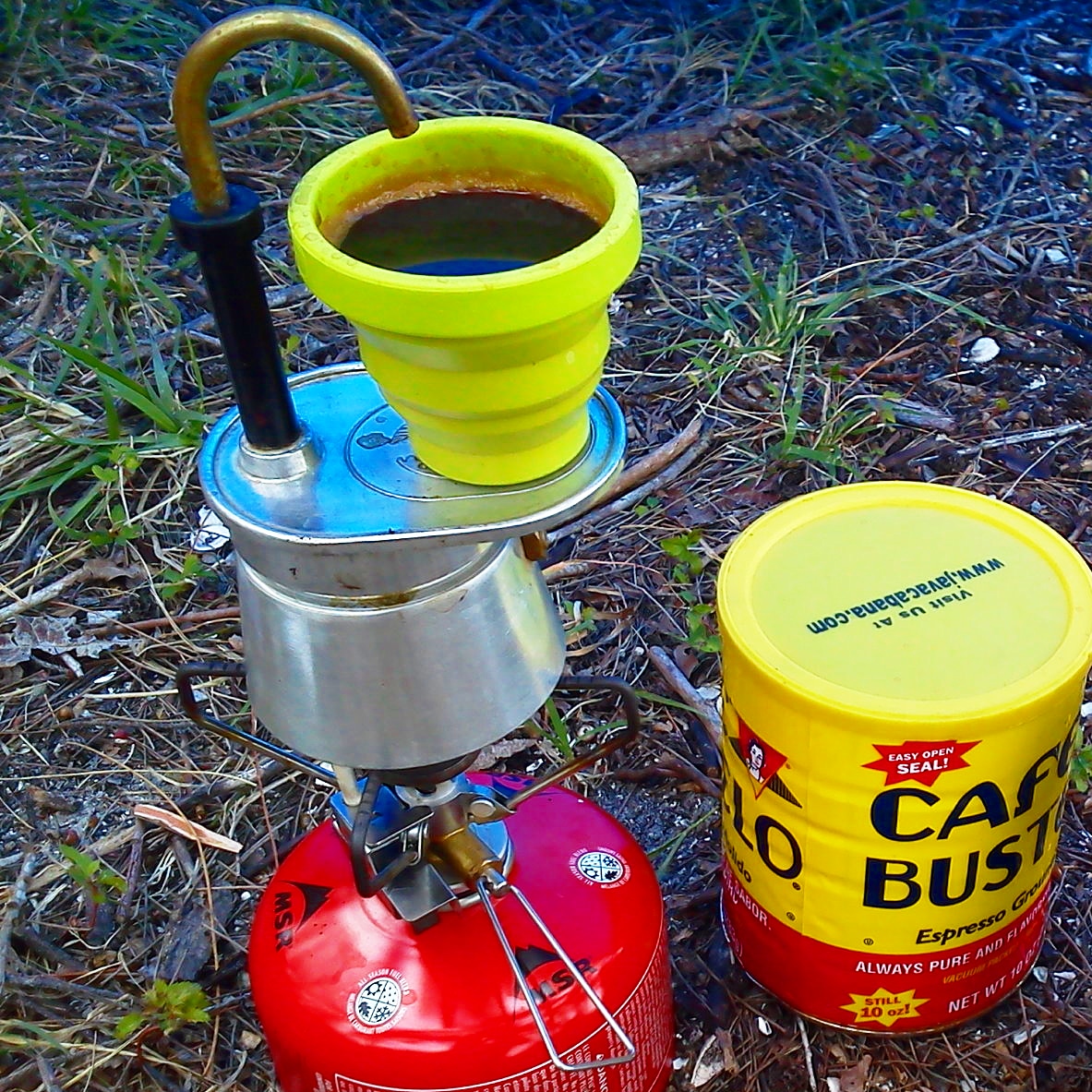
Sean Fitzgibbon owns the GSI Outdoors Mini Espresso Set. I have experience using this style of coffee maker, but it is not part of my personal collection. A small, concentrated serving is a different pleasure from a large mug of percolator coffee. With any pressurized stovetop brewer, follow the manufacturer’s directions for filling, assembly, heating, and cooling.
Cowboy Coffee and Kokkaffe
Traditional pot brewed coffee requires little specialized equipment. Add grounds to hot water, allow the coffee to steep and settle, and pour carefully. The grind, temperature, and timing all matter. It is a useful skill when dedicated brewing gear is unavailable, although not every pot will be a masterpiece.
Instant Coffee
Instant coffee deserves more respect than it gets. When an early launch is necessary for a tide or weather window, I make instant coffee, sometimes instant espresso, and go. I also choose instant when freshwater is scarce, since there is no filter or press to wash and no wet grounds to collect. When I brew with ground coffee, the used grounds go into a resealable plastic bag and leave camp with me.
Coffee When the Weather Turns
When cold rain keeps the boats ashore, I might make a pot of coffee and settle in with a deck of cards or navigation charts. My Snow Peak GigaPower stove handles many coffee duties, while the MSR Dragonfly earns its place for larger cooking jobs. I organize equipment before lighting a stove, use a stable cooking surface outdoors, and follow the manufacturer’s instructions. A floorless tarp is not proof that a combustion stove is safe to operate underneath it. Carbon monoxide and fire remain real hazards. I would rather step out into the rain than take that risk.
Brewing Better Coffee Without Making It Complicated
Start with safe drinking water. For many filter and immersion methods, about one gram of coffee to fifteen to seventeen grams of water is a useful starting ratio, adjusted to taste. Water just off the boil works well for many methods; boiling water does not literally scorch grounds. Match the grind to the brewer, lower a French press plunger gently, and follow manufacturer directions for pressurized equipment. Heat only the water you need. Do not surround a fuel canister with an improvised windscreen that can trap heat. Pack out grounds, filters, and all other food waste.
Coffee, Food, and Company
More Coffee and Camp Kitchen Stories
For the rest of my camp kitchen, see Cooking While Kayak Camping and my Backcountry Banana Pancakes. A fresh Dutch oven donut belongs beside a strong cup of black coffee. Here is my Dutch Oven Donuts story.
The Best Coffee Maker Is the One That Belongs on the Trip
Some mornings call for instant coffee. Some evenings invite a slow pour over. A French press has its place, and so does a percolator when rain settles in and camp becomes the center of the day. Owning more gear does not automatically make anyone a better outdoorsman. The skill is knowing what to bring, how to use it, and when to leave it behind. I learned to make coffee for other people before I learned to enjoy drinking it myself. That remains the most important part of the story.


Leave a Reply