
Keep equipment because it remains fit for the job. Know when repair or replacement is the better decision.
Old equipment can earn a place in an expedition kit. It does not earn exemption from inspection. Before a trip, I want the useful question asked of every item: will this do the work we need, under the conditions we expect?
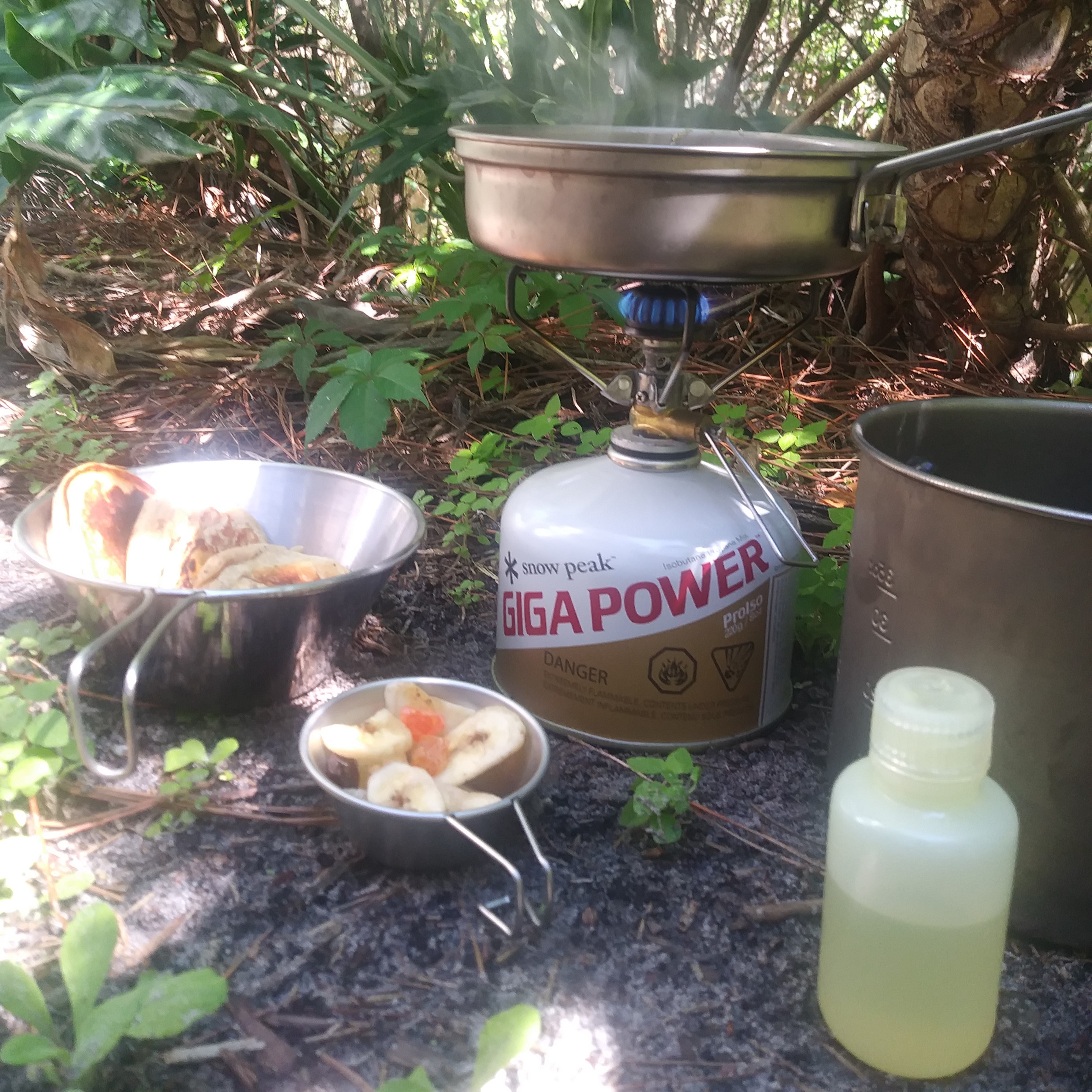
I bought my original GigaPower in 1998 and passed it to my son in 2021, when he was thirteen. That age belongs to the gift’s history, not to this article’s 2025 publication date.
This is a practical approach to equipment care and handover. The family story behind my old stove has its home in FloridaOATS’ A Stove for Every Generation.

Inspect by function
Lay out the equipment before packing. Work through what each item must do. Open the shelter and examine its attachments. Operate buckles and closures. Check the paddle, flotation, and rescue equipment according to their manufacturers’ guidance. Look for a problem that would matter on the trip, rather than merely counting pieces.
A cosmetic scratch and a damaged load bearing component are different findings. If the distinction is unclear, seek the manufacturer’s advice. Do not invent a service life from appearance, price, or how long a friend has owned the same model.
Use the correct maintenance instructions
Record the model and keep its instructions accessible. Similar looking equipment may have different materials, replacement parts, and service requirements. A method appropriate for one stove, fabric, or seal may damage another.
Cleaning is part of the work, but more cleaning is not always better. Follow the actual product instructions rather than applying the same washing routine to everything in the kit.
After coastal trips, assess equipment for salt, moisture, and sand and use the approved cleaning method for each item. Dry it before storage. A bag that keeps water out can also keep trapped moisture in.
Give a fault a clear destination
When an item fails inspection, keep it out of the ready kit. Mark the problem, arrange service, or replace it. Returning it to the same storage box without a decision makes the fault easy to forget.
Keep a simple record of the date, defect, action taken, and any manufacturer response. Photograph a damaged area when asking for advice. Useful records describe what was observed; they do not need an impressive diagnosis.
Do only the repairs the manufacturer authorizes and that you are competent to perform. A pressure fuel appliance is a poor place to improvise replacement parts or learn valve repair on the night before departure.
Prove the kit before packing it
Test the planned combination in appropriate conditions before the trip. The cookware, stove, fuel, and meal need to work together. So do the shelter and its fittings. Testing one component does not establish the suitability of the assembled system.
Do not substitute a successful test for instructions. An accessory that seemed to work once may still create a hazard. Cascade Designs explains that enclosing a fuel canister in a windscreen can cause overheating, leakage, or explosion. A screen specified for one stove is not general permission to surround another.
Handover includes demonstration
When equipment changes hands, explain its condition, known faults, service history, instructions, and limits. Let the new user set it up, operate it, and pack it away. Watch for a step that needs another explanation.
For a stove, that includes identifying the approved fuel, choosing the site, recognizing a problem, and knowing when to stop. An old tool is not automatically suitable for a beginner simply because it is available.
Choose a replacement when safe service cannot be established, the needed part is unavailable, or the equipment no longer suits the trip. Retiring an item is sometimes the most responsible maintenance decision.
The objective is a working kit and a user who understands it. Stories can travel with the equipment. They cannot do its work.
Jeffrey John Fabiszewski
References and related equipment
Use Snow Peak’s GS-100R instruction sheet for that model’s inspection and care limits, and Cascade Designs’ canister windscreen explanation for the overheating hazard. These examples do not replace each item’s own instructions. Read the GigaPower stove guide for the specific cooking discussion. Sources reviewed October 22, 2026.


2 Comments